The era of "empathy marketing" is coming: when brands become consumers' AI personal consultants
Originally published in Economic Daily News.
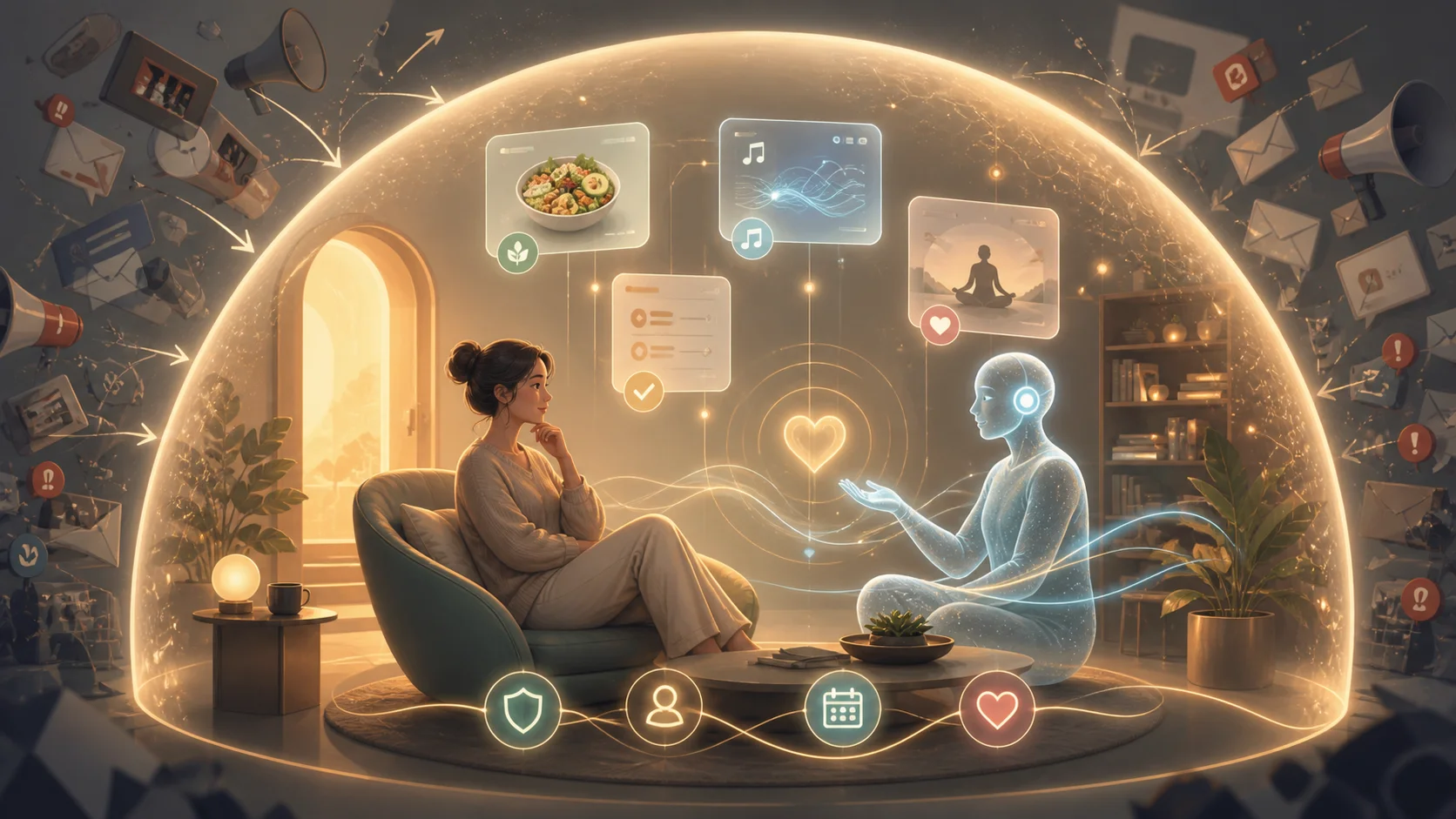
▲ Marketing in 2026 is no longer a volume game, but a frequency matching game — brands must learn to be invited by AI into consumers’ private estates.
Former Tesla AI director Andrej Karpathy posted an article on X titled “LLM Knowledge Bases” on April 3, which exploded in the technology circle overnight. The knowledge management system he shared received over 18 million views in just a few days.
This incident inspired everyone: Everyone can have their own knowledge coaching system. These systems can not only automatically filter out useless sales messages, but also reorganize the information they receive according to the user’s current life state, emotional needs and professional goals.
For marketers, this means losing a megaphone for large-scale propaganda, and replacing it with tens of thousands of private estates behind closed doors.
If you can’t get an invitation into these estates, no matter how great a brand is, it’s going to be missing in the digital world.
From precise delivery to frequency matching
Obtaining this kind of invitation no longer relies on accurate label placement, but depends on whether the brand has a unique frequency called “Vibe”. In the digital environment of 2026, marketing has evolved from a persuasive technology to a frequency matching.
When we talk about Vibe Coding, we are actually discussing how to transform the abstract brand spirit into a perceptible systematic experience through technical means. A successful brand no longer just sells a product, but provides a mobile system that can optimize users’ lives.
For example, when a health brand no longer just sends summer slimming ads, but is directly embedded into the user’s AI assistant, it is naturally expected to become a life coach that can automatically generate that day’s dinner recipes and flow music based on the local temperature and the user’s current fatigue.
The content is no longer an article, but a workflow
This change forces brand operators to rethink the definition of content. In the past, we thought of content as articles, videos, or images, but in the summer of 2026, the most powerful marketing content is workflow and productivity systems. In other words, consumers are tired of pure information and crave ready-made solutions.
When you can use AI as an accelerator to build an indispensable system for your audience, you truly hold the key to their private universe. This is a combination of minimalism and high performance. Brands must understand where their system bottlenecks are better than consumers and provide value at that precise point.
🎯 Want to turn brand ideas into a content system that can be cited by AI? Start with a steady stream of content
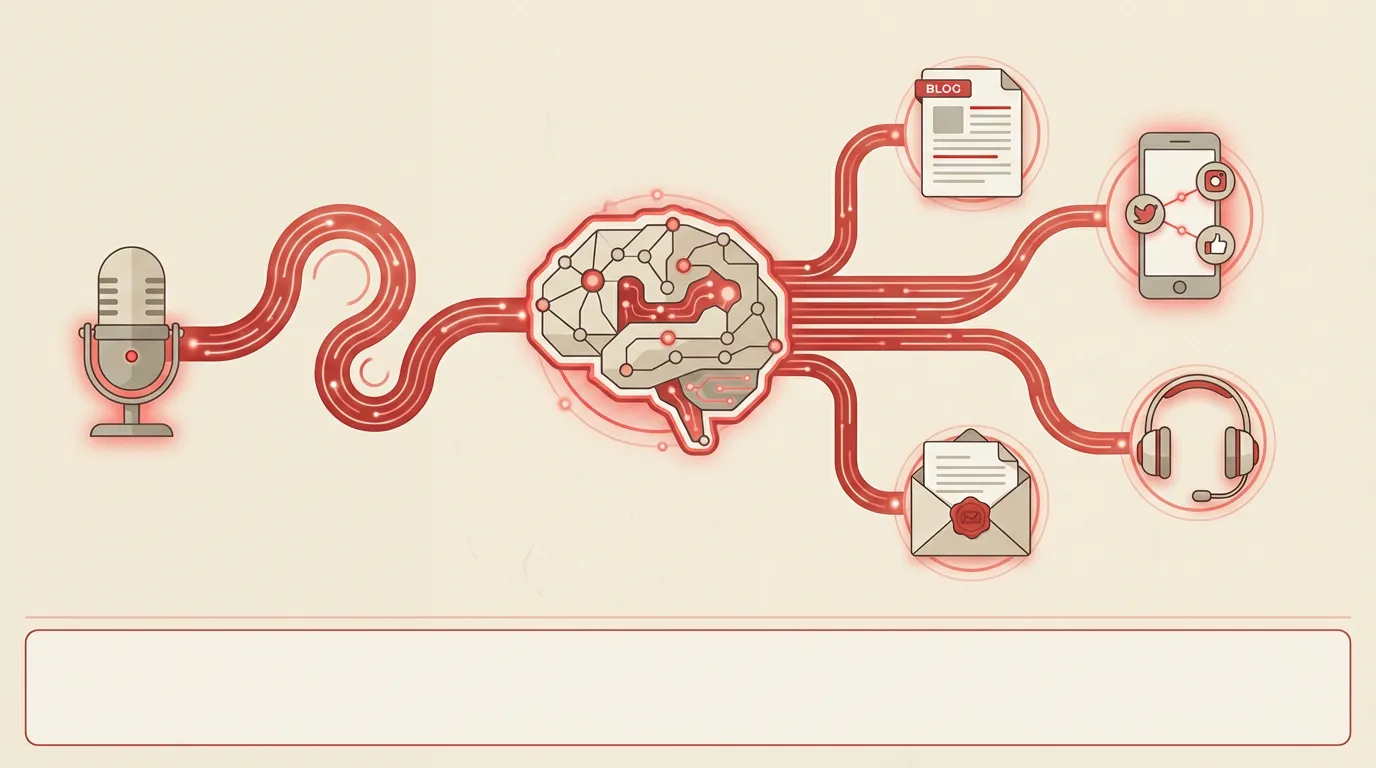
The key to empathy marketing is to break the brand spirit into content units that AI can understand and people are willing to collect. The “AI Content Production System Workshop I designed is to string together the links of research, writing, rewriting, and distribution into a repeatable content production line - one piece of material can be produced in six formats, covering the complete funnel from e-newsletters, communities, podcasts to courses.
👉 Learn the course content now: solo.tw/courses/ai-content
Authenticity Sovereignty: The Last Moat for the AI Forgery Generation
This privatized marketing environment requires brands to have extremely high sovereignty of authenticity. In 2026, when AI fake content is rampant, any attempt with an advertising flavor will be bounced back by the firewall in an instant. Brands must learn to communicate like a real, flawed human being.
People no longer believe in the distant corporate logo. They believe in the professional leader who can evolve with them in the growth circle, share practical experience, and even admit failure. The essence of marketing has returned to the original door-to-door system. Brands must become consultants or mentors in a specific area of users’ lives.
This is why I have focused on three places in the past few years: writing long articles well in vista.tw, splitting practical experience into short articles and putting them in content.tw and vista.st, and then centralize corporate training and consulting services to vistacheng.com. Each domain name is only responsible for one relationship, so that AI can accurately determine in which context I should be quoted, and the reader will know which door leads to the kind of conversation he really needs.
A battle for time sovereignty
The marketing revolution in the summer of 2026 is essentially a battle for time sovereignty. Consumers value their focus more than ever, and any marketing attempt to interrupt their flow will be seen as an infringement.
Therefore, the winners of the future will be those brands that seem invisible but are everywhere. They can be found in AI agents’ suggestion lists, in the context of personal automation processes, or in private community discussions built on deep trust.
When we no longer talk about how to get traffic, but start talking about how to build a life support system that can continue to generate value, we truly enter a new era of digital marketing. This is no longer a game between hunter and prey, but a long race about who can support the sovereignty of others’ lives more gently and accurately.
Extended reading:
- Build a personal website from scratch using Vibe Coding: Writers can also launch their own digital front on weekends
- AI browser revolution, triggering a digital marketing reshuffle
- AI Agent revolution, creating a new marketing cycle
External Resources:
- This article was originally published in “Economic Daily” Celebrity Lecture Hall
- AI Content Production System Workshop (solo.tw)
- Vibe Coding Practical Workshop (solo.tw)
- Vista Consulting and Corporate Training Services (vistacheng.com)