Thoughts after reading "Find Your Sweet Spot": Find your best position in the hitting zone of life
A book from South Korea, but it was written into my heart
When I received the book “Find Your Sweet Spot”, to be honest, I didn’t expect much. At first glance, the title of the book sounds like an inspirational book, but over the years, I have read too many success books with gorgeous packaging but empty content. I have already developed the ability to judge whether it is worth continuing to read after just turning two or three pages.
But Professor Sam Richards is different.
After opening the book and reading the preface he wrote for Taiwanese readers, I knew this was no ordinary chicken soup for the soul. He said: “My thoughts on “finding your sweet spot” are especially written for those who value the harmony of groups and interpersonal relationships more than personal competition and achievement.” This sentence hit me immediately.
As someone who has taught, written, and worked as a consultant in Taiwan for more than fifteen years, I understand this cultural context very well. We have been taught since childhood to be gregarious, to be humble, and to put the group before the individual, but how should we place the self that wants to rush out and be seen? This book does not ask you to become another person, but helps you find your own place in the existing cultural soil.
That’s what struck me about it.
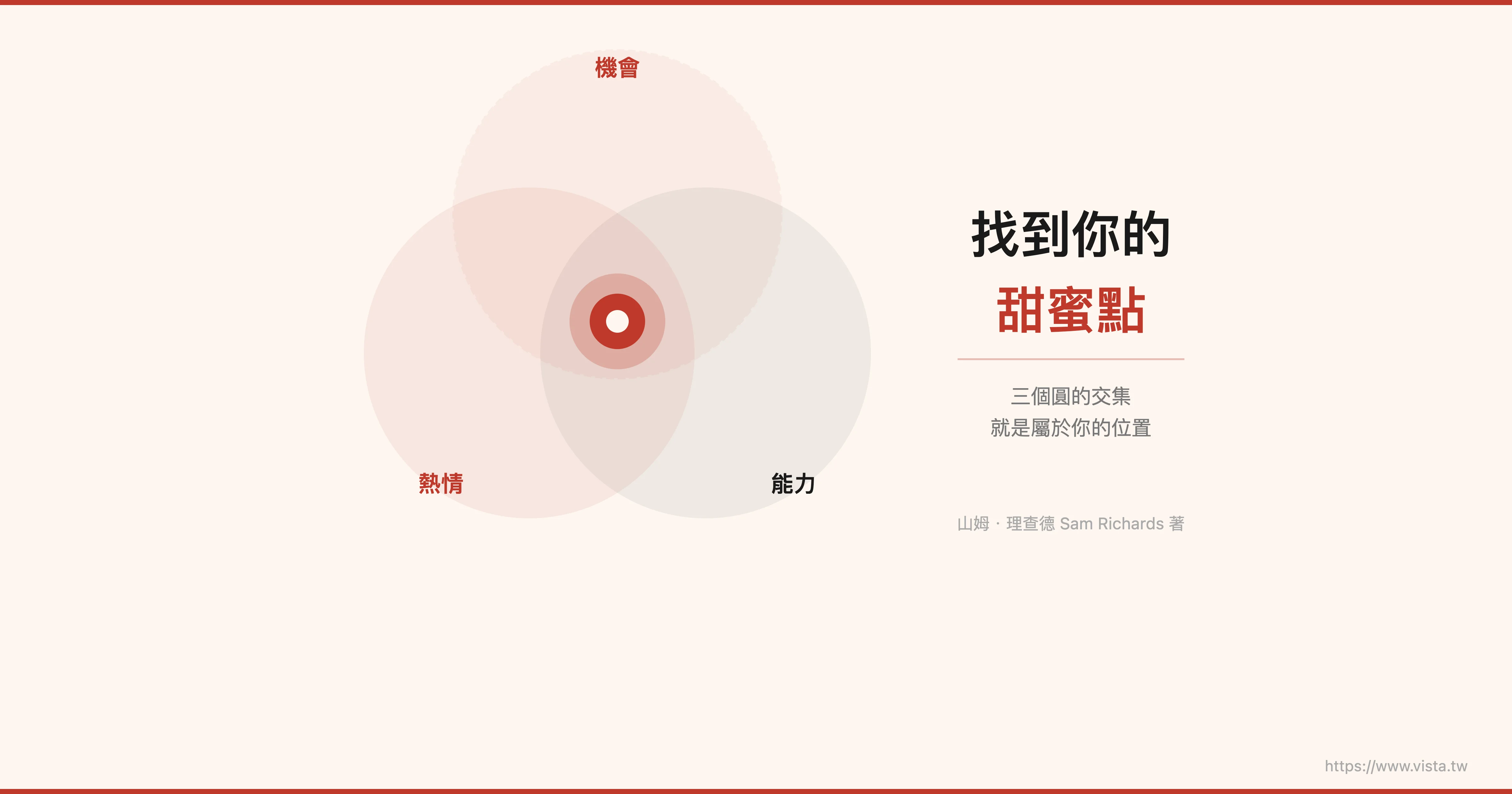 ▲ “Find Your Sweet Spot” - Professor Sam Richard’s guide to hitting the ball in life.
The sweet spot is not an end point, but a dynamic balance.
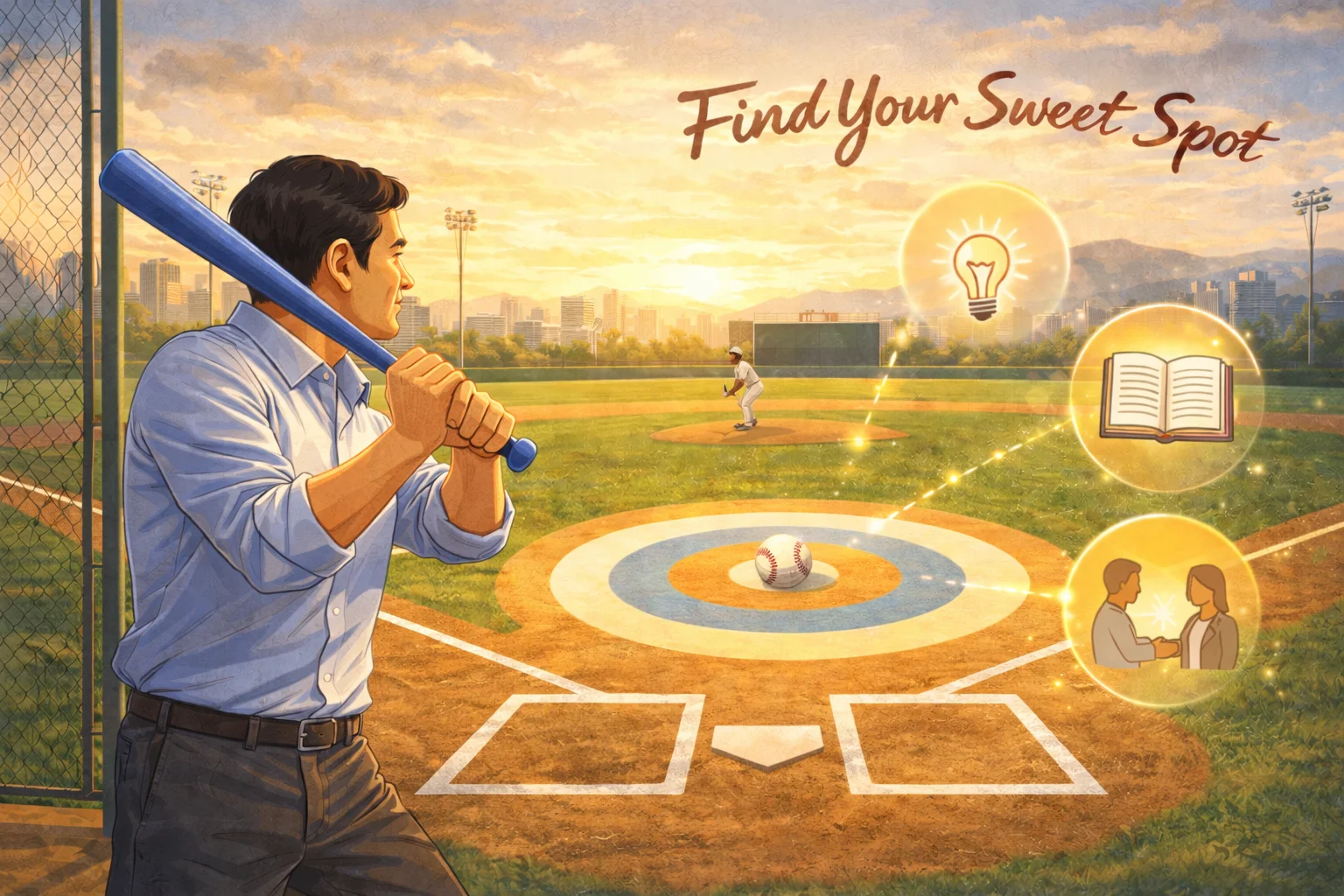
Professor Richard uses the “Sweet Spot” in baseball and tennis to describe the best hitting zone in life - that mysterious position where the ball you hit reaches the highest quality. I like this metaphor very much, not only because I am a baseball fan, but also because it illustrates one thing: the sweet spot is not fixed or unique. It changes with your posture, strength and angle.
The same is true in life.
回想我自己的经历,我做过工程师、记者、写过企划、经营过媒体、投入内容行销的领域,后来又走上教学和顾问的道路。 Every transition is like re-finding the best position to hit the ball. Sometimes, I feel that I am playing smoothly, producing articles one after another, and offering courses one after another; but there are also other times, I obviously work very hard, but the ball cannot fly far no matter how hard I hit it.
Achievement does not come from winning or losing, but from finding the sweet advantage of balance in the ever-changing life. ——Sam Richard
This sentence made me chew on it for a long time. In the past few years, I have often measured myself by whether I have worked hard enough, but I have neglected a more important thing - am I in the right position?
Effort is important, but if you stand in the wrong position, you won’t be able to hit the sweet spot no matter how hard you swing.
Curiosity is the best navigation system in my life
The first lesson in the book is about curiosity. Professor Richard said: “How broad your curiosity is, how broad your life will be.” When I read this paragraph, I couldn’t help laughing, because it was just talking about me.
Anyone who knows me knows that I am an extremely curious person. I am curious about everything - the latest development of AI technology, the layout design of a book, why a coffee shop is doing so well, and why a student suddenly became interested in writing. This curiosity sometimes makes me look like I am distracted, but in fact, it has been the most important force guiding me forward.
Back then, I made the leap from electronic engineering to the Internet, and then from media and e-commerce to content marketing, all based on curiosity. I was curious, “Why are some articles so easy to read?” “Why are some brand stories so touching?” These questions have taken me all the way to this day. I have written twenty books, held countless courses, and become the author of “Economic Daily” columnist.
Professor Richard specifically mentioned the concept of “questions with no right answers.” He believes that what is really important is not to find standard answers, but to learn to ask good questions. This is completely consistent with my experience at the teaching site. When I teach students to use AI tools in some universities, one thing I emphasize most often is: no matter how powerful AI is, it can only answer the questions you ask. If your questions aren’t good enough, precise enough, or in-depth enough, the answers AI gives you won’t be any better.
How broad your curiosity is, how broad your life will be. ——Sam Richard
Curiosity is not just a talent, it is an ability that can be developed. It requires courage - to ask questions that seem stupid, to explore areas that others find meaningless, to admit that you actually don’t understand a lot of things.
Self-awareness: The me who was omitted in the self-introduction
The second class was about self-awareness. Professor Richard made an interesting point: the me in self-introduction is not the real me.
I’m so touched.
Every time at the beginning of a lecture or course, I will introduce myself: “I am Zheng Weiquan, everyone calls me Vista. I am a content marketing consultant, writer, and also teach at the university.” But are these labels really me? They are just things I do and roles I play, but they may not be the real me.
The real me is the person who thinks over and over the words of an article late at night; the person who can’t help but be happy when seeing students’ eyes light up; the person who can hang out in a bookstore for three hours and take home a pile of books; and the person who is so anxious that he can’t sleep when faced with a major choice in life.
Understanding yourself is the key to opening the door to life. ——Sam Richard
This sentence sounds very simple, but it is extremely difficult to do. Especially in our culture, knowing yourself is often considered a luxury. You should read your book well first, do your work well first, take care of your family first. As for who you are and what you want… think about these questions when you have time.
But the thing is, if you don’t know who you are, how do you know where to go?
I often ask myself: “After teaching for so many years and writing for so many years, what is it that I really want to delve into?” The answer is clear – I want to understand how AI is changing the way we create and express ourselves, and how should we respond, both legally and ethically? Thinking about these issues is not necessarily related to livelihood, but because I really want to figure this out.
Professor Richard mentioned in the book the metaphor of installing a GPS in life, which I think is very appropriate. The function of GPS is not to tell you where to go, but to help you find the best route after you decide on your destination. And self-awareness is the process that allows you to decide your destination.
Not trying is the biggest failure
The third class was about self-confidence. Professor Richard said something that impressed me deeply: “You are just a draft now.”
This quote means a lot to me.
 ▲ You are just a draft now, and the draft is the starting point of all good works.
I have published twenty books, each of which has gone through countless revisions before publication. The first draft is always rough, even terrible. But it was precisely because of that rough first draft that the later versions became better and better. The same is true in life, we don’t need to wait until we are ready to start, because no one is ready at the beginning.
Professor Richard specifically mentioned Asian society’s views on self-esteem and self-confidence. He observed that in our culture, many people equate self-confidence with achievement - you have good grades, so you are qualified to be confident; you have been promoted, so you are qualified to be proud. But true self-confidence should not be based on external achievements, but on the courage of “I am willing to try, even if I may fail.”
Looking back over the years, I’ve made a lot of underappreciated attempts. When I switched from science and engineering to the online content industry, many people thought I was crazy. Later, when I started investing heavily in AI education and training, some people also questioned whether this path would work.但我很庆幸自己做了这些尝试,因为每一次的尝试,不管成功还是失败,都让我离自己的甜蜜点更近了一步。
A small happiness is also happiness, and a small success is also success. ——Sam Richard
I want to give this sentence to everyone who is hesitant to take the first step. You don’t have to wait for the perfect time, you don’t have to wait until everything is ready, you just have to start.
Prejudice is a wall, but when the wall falls it becomes a bridge
The fourth class was about prejudice. This class made me think a lot.
Professor Richard said: “Our ideas are surrounded by a wall.” Indeed. We all have biases, we just don’t know it most of the time.
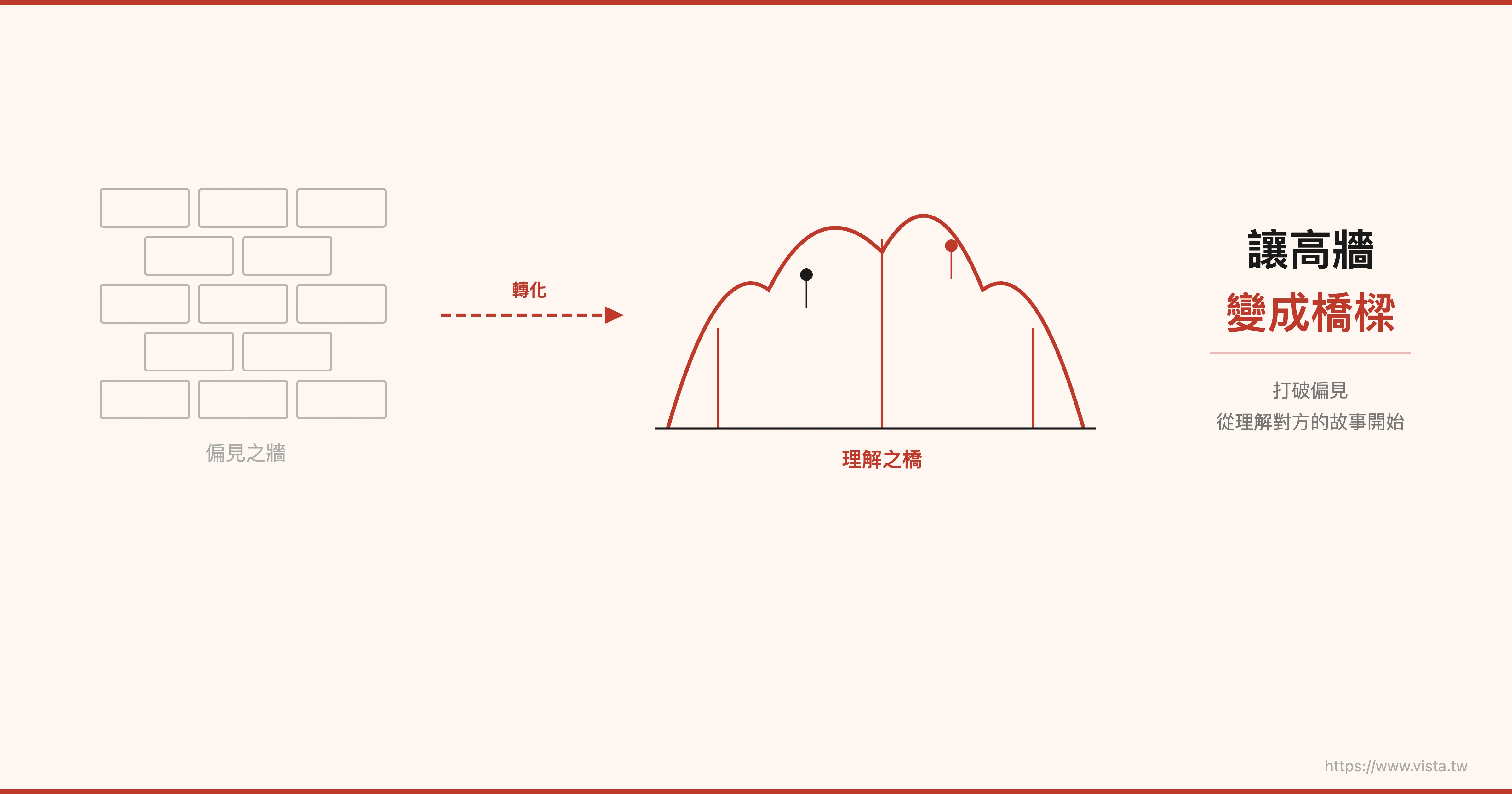 ▲ When we are willing to break the existing cognitive framework, high walls can become bridges.
In my work, I often encounter biases of all kinds. For example, many business owners believe that AI is a tool used to replace human labor, so they are resistant to the introduction of AI; there are also many young people who think that just learning to use ChatGPT is equivalent to mastering AI, and as a result they turn a blind eye to deeper problems. These are all prejudices, these are all that wall.
But Professor Richard provided a great change of thought: “When a wall falls, it becomes a bridge.” When we are willing to break the existing cognitive framework, the obstacles that originally blocked us will become bridges connecting different worlds.
I have witnessed this change with my own eyes at corporate training sites. Once, the boss of a traditional manufacturing company originally scorned AI, thinking that it was a matter of the technology industry and had nothing to do with his factory. But after the course, he came up to me and said, “Teacher Vista, now I know that AI is not here to steal my job, but to help my employees do things better.” The moment the wall fell, a bridge was built.
Professor Richard also specifically talked about the issues of MBTI and generational differences. He believed that we should not use these labels to define a person. I couldn’t agree more. During the teaching process, I often remind students: You can use MBTI to understand yourself, but don’t be framed by it. Just because you are an INFJ doesn’t mean you can’t do business, and just because you are an ESTP doesn’t mean you can’t write articles. The value of these tools is to help you understand yourself, not to limit your possibilities.
About finding a new path: Sometimes taking the wrong path is also a way of making progress
The fifth class was about finding a new path. Professor Richard said: “Making the wrong choice does not mean that the road is over.”
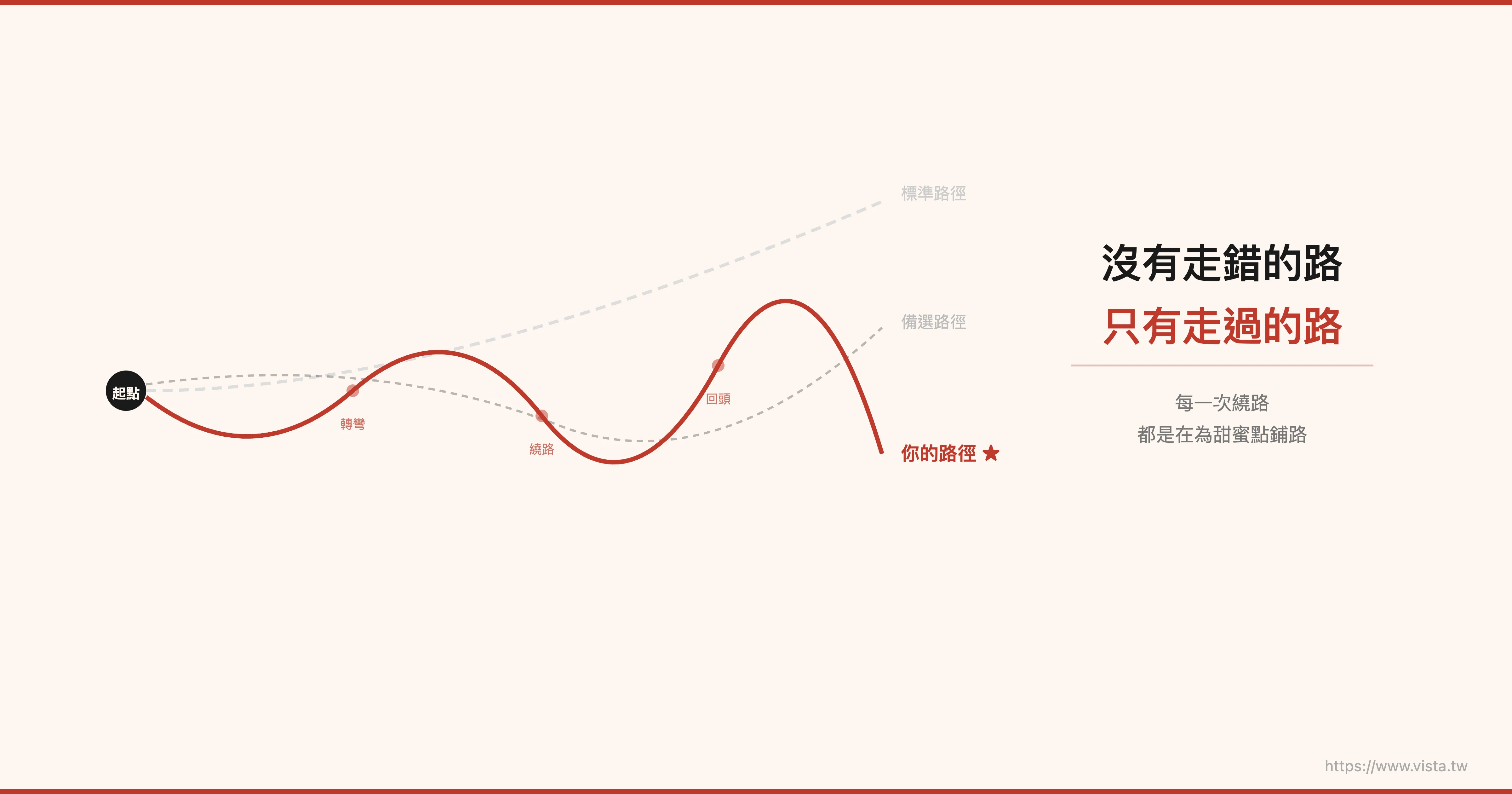 ▲ There is no wrong path in life, every step is an exercise leading to the sweet spot.
This sentence reminds me of an experience I had. Many years ago, I made a career decision that seemed completely wrong at the time - I gave up a stable job as an electronic engineer and devoted myself full-time to the Internet field, which had no prospects. At that time, almost everyone around me thought I was crazy. But looking back now, that wrong decision became the most important turning point in my life.
Sometimes, today’s actions are better than tomorrow’s perfect plan. ——Sam Richard
This coincides with what I have always believed. I often tell my students and trainees: Don’t wait until you have everything figured out before you act, because you will never have it all figured out. Act first, and then adjust your direction as you go. This is also my attitude towards AI applications. Many people ask me: “Teacher Vista, which AI tool should I learn first?” My answer is always: “Whatever problem you encounter at work now, just use AI to try to solve that problem first.” Don’t wait until you understand all the tools before you start using them, that day will never come. Start first, then talk. This is also the core point I shared in my article When AI becomes a writing assistant.
The truth about leadership: learn to guide yourself first
The sixth class is about leadership. This is the chapter that I was most immersed in reading in this book.
Professor Richard gave a very real-life example at the beginning: five friends went shopping together and were hungry, but no one dared to say what they wanted to eat. It was not until someone said they wanted pasta that everyone was able to fill their stomachs. This example seems simple, but it accurately highlights the essence of leadership - not power, not status, but the courage to point the way at critical moments.
This reminds me of my own experience. I have been running communities for so many years, and to be honest, I don’t think I am a natural leader. What I am good at is inspiring others to think and coming up with new ideas, but in terms of organizational management and team coordination, I often feel inadequate.
It particularly resonated with me when I read Professor Richard talk about his complementary relationship with his wife Lola. He said he was good at drawing blueprints and inspiring people, but Laura was the one who could really touch people’s hearts and create deep connections with them. He admitted: “The reason why I am a good leader is because I don’t think I am a very good leader.”
This passage may seem contradictory, but it actually contains profound wisdom. True leadership is not about thinking you can do anything, but about knowing your own limitations and then finding people who can complement you.
I gradually learned this in the process of running online courses and communities. I am good at producing content, designing course structures, and doing strategic planning, but I need the help of my partners in matters such as community management, student care, and daily operations. Admitting this is not weakness, but rather maturity.
Professor Richard also mentioned an important concept, which is followership. He believes that for most of us, we exist as followers for most of our lives, and that there is no shame in that. Good followers are not people who blindly obey, but people who can understand the leader’s intentions, put forward their own opinions at the appropriate time, and create better results through collaboration.
This reminds me of a phenomenon I often observe at corporate training sites: many companies spend large sums of money on training “leadership”, but no one has ever taught followership. The result is that everyone wants to be a leader, but no one wants to be a follower. A team full of leaders is not necessarily more effective than a team full of good followers.
The essence of relationship: not perfection, but sincerity
The seventh class was about relationships. Professor Richard said: “There is no perfect partner.” I would like to extend this concept - in fact, it is not just partners, there are no perfect teachers, perfect partners or perfect friends in the world.
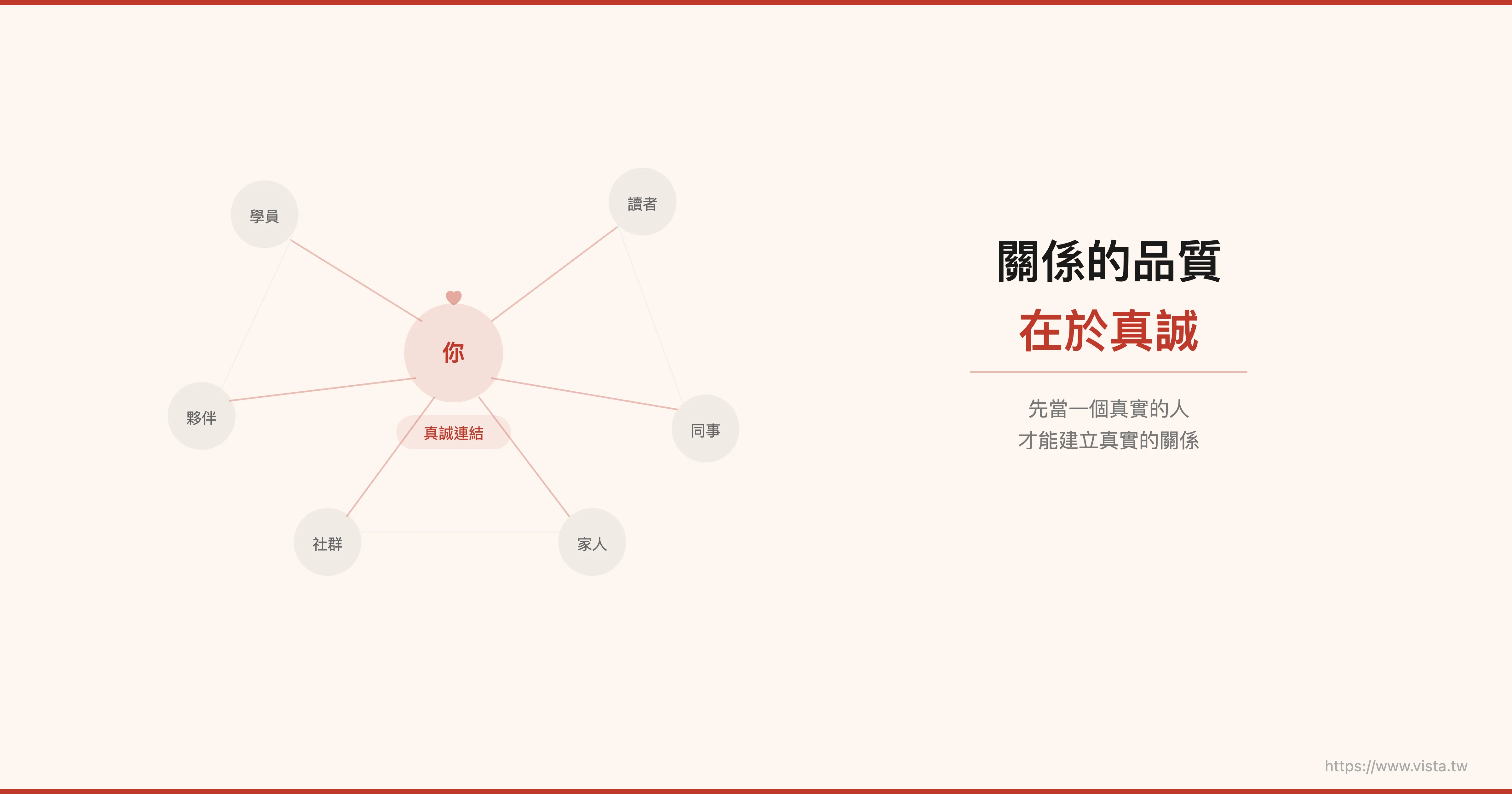 ▲ A good relationship is based on sincerity and mutual growth.
In my teaching and consulting work, I meet all kinds of people. Some people had high expectations for me at the beginning and felt that I should be able to solve all their problems; others were disappointed due to the gap in certain expectations during the cooperation process. These experiences taught me one thing: all good relationships are based on sincerity and communication, not on perfect imagination.
When we overcome difficulties together, fate becomes inevitable. ——Sam Richard
This sentence touched me deeply. The most precious thing about my interactions with students in the LINE group and Skool community is not the smooth sailing moments, but the process of facing difficulties together and figuring out how to solve them. Those nights of brainstorming for a project during late-night online discussions have become the most profound memories. This is also the core of what I want to express in this article “Grow influence in relationships” - real influence comes from sincere connections.
Professor Richard also emphasized: “Everyone has his own speed.” This is a very important reminder for me. As an educator, I sometimes unconsciously anticipate student progress at my own pace. But everyone’s growth curve is different. Some people can master something in three months, while others may need a year. What matters is not the speed, but the direction.
Asset Management: Don’t let what you own define you
The eighth class talked about asset management. Professor Richard said: “Don’t let what you own shake you.”
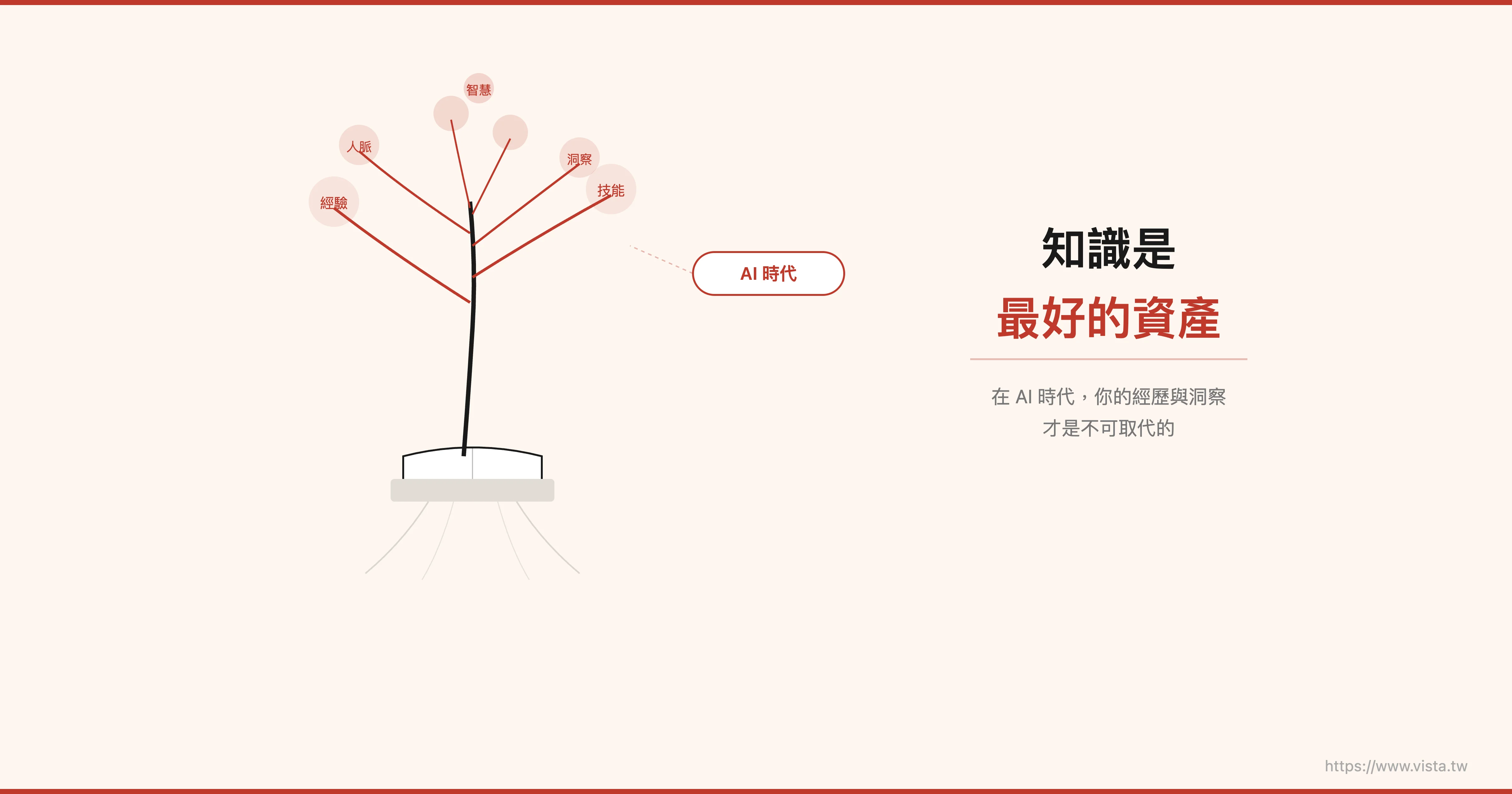 ▲ In the AI era, the real asset is not what tools you use, but how you use them.
This class isn’t just about money, it’s about a larger issue: How do you view everything you have? Including money, status, reputation, knowledge, and connections.
As someone who works in the field of knowledge economy, I am particularly touched by this issue. In recent years, as the AI wave has swept across, a lot of professional knowledge that was considered “valuable” in the past seems to have depreciated overnight. In the past, it was great if you could translate, but now AI translation has reached a very good level; in the past, if you could write programs, you were a sought-after talent, but now AI can also help you generate program code.
Faced with such changes, some people feel anxious and feel that their hard-earned majors are being hollowed out. But Professor Richard reminds us: “People should control their own lives.” What is truly valuable is not what skills or resources you have, but how you use them?
In the AI era, my real asset is not what tools I know how to use, but my ability to explain complex things in a way that people can understand, to design a course structure that makes students truly gainful, and to extract valuable insights from complex information. These abilities will not be devalued because of the emergence of AI, but will become more valuable because of the emergence of AI.
Choices made now will be gifts in the future. ——Sam Richard
I agree. I chose to delve into topics related to AI applications at this point in time, not because it can bring me any immediate returns now, but because I believe that in five or ten years, the accumulation of this knowledge and thinking will become my most important asset.
Stay the course, but don’t be stubborn
The ninth class talked about the power of perseverance. Professor Richard used a very layered point of view: “Don’t be overly obsessed with a single goal.”
This is actually very different from the general motivational books that say you will succeed if you persist to the end. Professor Richard is not telling you to give up, but to learn to distinguish when to persist and when to turn. He said: “Failure and incompleteness are all puzzle pieces to complete life.”
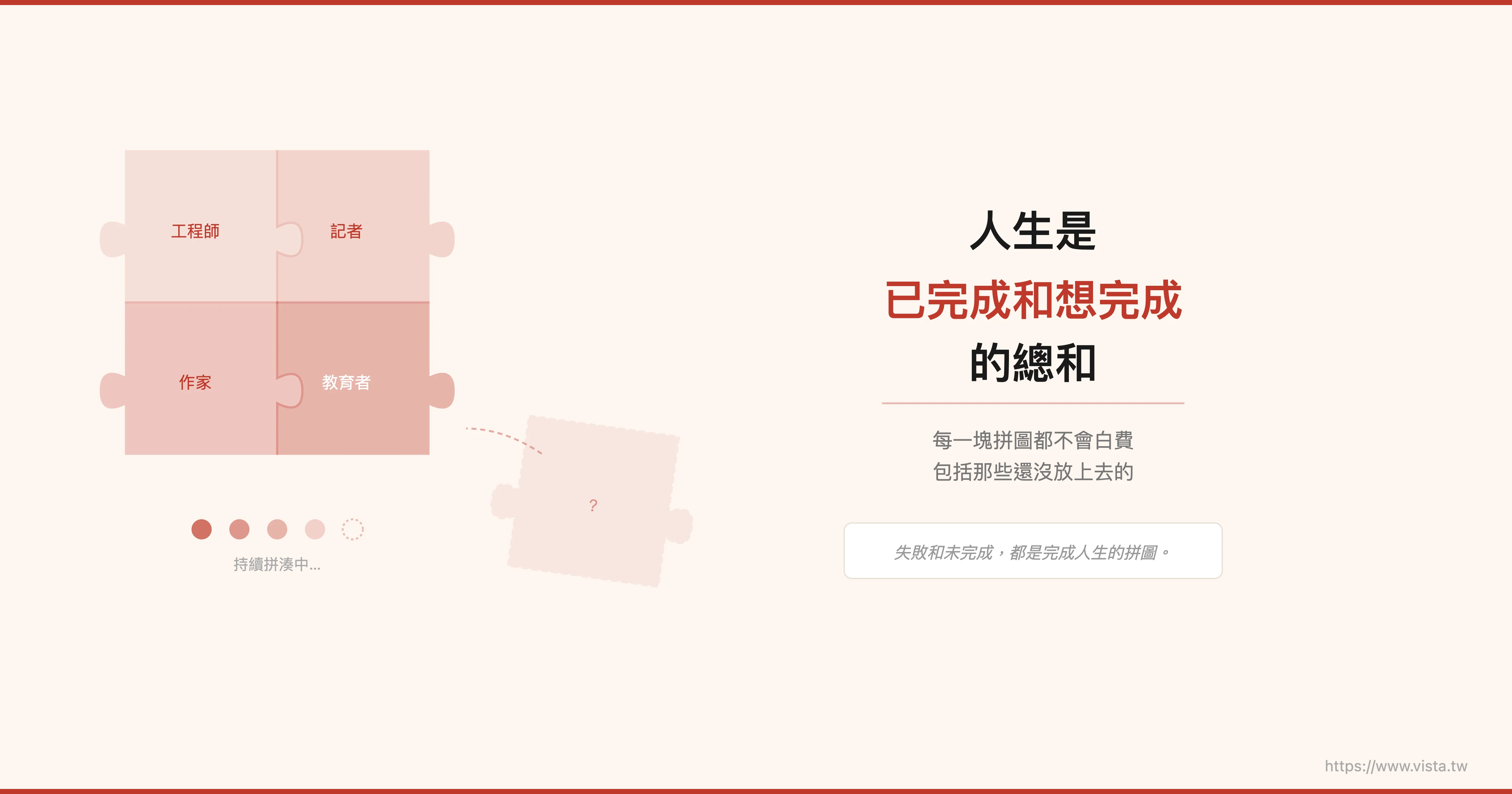 ▲ Failure and incompleteness are both indispensable pieces to complete the puzzle of life.
This passage made me think of my self-published book. Looking back at these twenty books, some sold well and some received mediocre response. I used to get frustrated with books that didn’t sell well and felt like I was wasting my efforts. But now I understand that every book is a piece of the puzzle of my life - even the books that have not sold well have helped me clarify certain ideas and establish certain connections in the process of writing.
Life is the sum of what has been done and what is wanted to be done. ——Sam Richard
This sentence particularly touched me. I have accomplished a lot in my life – I have published twenty books, taught tens of thousands of students, and run multiple content platforms. But there are also many things I want to accomplish—finish my doctoral thesis, polish my coursework, and write a book that truly transcends language and cultural barriers. The sum of these things I have accomplished and want to accomplish is my life.
There is no need to be anxious because there is too much you want to accomplish, and there is no need to feel inferior because you have accomplished too little. The important thing is that you are always on the road.
Three core inspirations I took away from this book
After reading the entire book, if I were asked to sort out the three most important inspirations, I would say this:
First, the sweet spot must be found, not waited for. It requires you to keep trying, adjusting, and trying again. You don’t suddenly discover your sweet spot one day, it slowly emerges over the course of countless swings.
Second, understanding your limitations is as important as understanding your strengths. Professor Richard used the complementary relationship between himself and his wife to demonstrate a very profound truth - true strength is not the absence of weaknesses, but knowing where your own weaknesses are and then finding partners and methods that can complement each other.
Third, every moment in life is important, not just the highlight moments. Those times of confusion, those times when you don’t know where to go, those times when you feel like you can’t do anything right—these moments are part of life and they shape you.
Written at the end: For you who are looking for the sweet spot
If you are wandering at a crossroads in your life and don’t know whether to go left or right, I would like to encourage you with the words of Professor Richard:
There are no unimportant moments in life. ——Sam Richard
Everything you’re going through right now—that confusion, that anxiety, that uncertainty—is not in vain. They are all swing drills you must go through before you find your sweet spot.
And I, a writer and educator who has stood on the podium for many years and typed countless words on the keyboard, am still looking for my sweet spot. In teaching, in writing, in interacting with students and readers, in exploring AI technology - every day, I am fine-tuning my stance, trying to make the next swing more accurate.
Finding your sweet spot may be more important than having talent. But more importantly, never stop looking.
I’m Vista, let’s do it together.
Further reading:
- “Find Your Sweet Spot” - Blog to purchase book link
- AI transformation course for middle and high school students: Your experience is the most lacking golden asset of AI
- AI will not make you dumb, but it will not make you stronger: Talking about brain-protecting AI learning methods
- Xiao Xiaosha’s “From Workplace to Entrepreneurship”: Create your own life blueprint
- “Have you written today?” 》Book excerpt: A proactive life starting from writing
📖 深入探索相關主題