Self-help guide in the workplace: AI won’t replace you, but people with AI workflows will
This article was originally published in “Economic Daily”. Here is the full version with more context and extended reading.
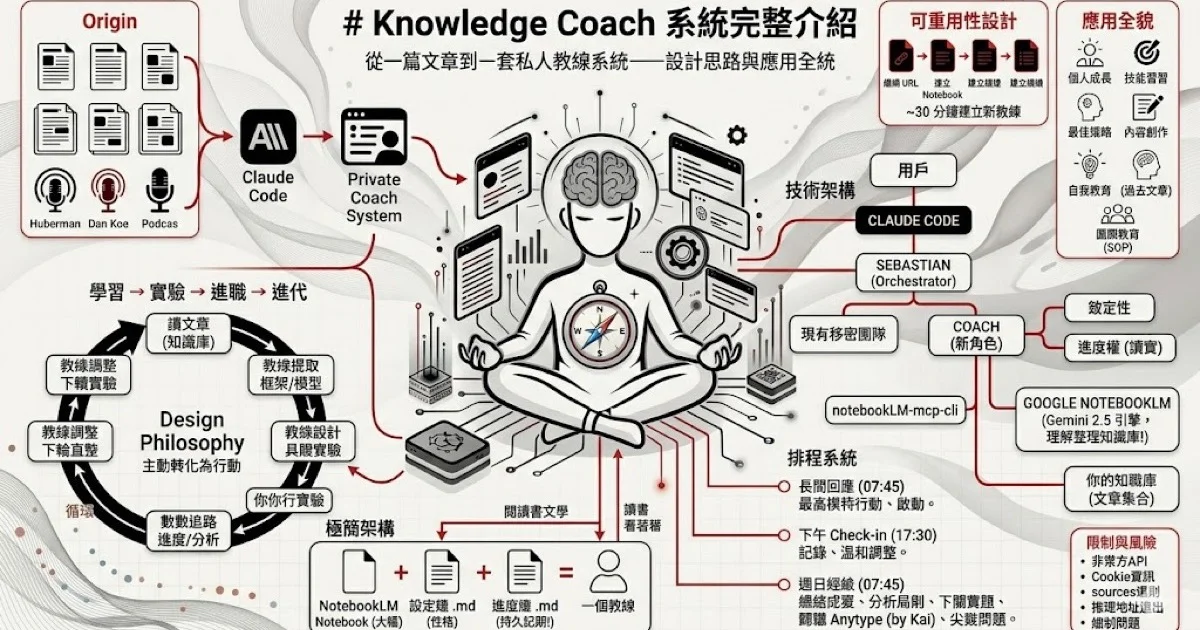
When we talk about the impact of AI on digital marketing, most people’s anxiety often remains on one question: “Will my job be replaced?” However, the marketing battlefield in 2026 gives a clearer answer: AI will not directly replace you, but marketers who are good at collaborating with AI and have efficient personal AI workflows (Workflow) are eliminating their counterparts who are slow to transform at ten times the efficiency.
In the traditional work model, marketers are accustomed to learning a set of skills first and then producing results. However, in today’s era of rapid updates in AI tools, this linear thinking has completely failed.
Today you have just become familiar with a copywriting tool, and next week it may be integrated with the native functions of the large model; today you are still manually connecting APIs, and tomorrow the intent-oriented Vibe Coding mode will allow non-technical people to directly upgrade their working systems using natural language.
Treat yourself as a laboratory
Facing this technological quicksand, the only way to stand is to regard yourself as a laboratory and use high-frequency experiments to reduce the cost of failure.
In the past, conducting a marketing experiment might require investing a large budget and weeks of time; now using AI, you can generate multiple sets of different audience perspectives, ten sets of copywriting styles, and conduct A/B testing in small communities within half an hour. Only by continuing to throw real pain points to AI can we continuously test the boundaries of technology in small links and develop accurate intuition about AI capabilities.
To implement this experimental spirit into replicable productivity, complex marketing projects must be dismantled and reconstructed into systematic workflows. The starting point for making full use of AI is never to rush to pick tools, but to learn to dismantle your workflow first.
Step one: task granulation
First, break down the tasks that take the most time to the extreme.
Taking writing a weekly e-newsletter as an example, the process should not be just a general action of “writing an article”, but broken down into a series of tiny steps: collecting domestic and foreign trends, selecting topics and defining opinions, writing an outline, filling in the first draft, polishing the tone, designing A/B test titles, and generating social diversion posts.
The more granular the tasks are, the clearer you will be about who should do each task.
Step 2: Human-machine collaborative positioning
Then there’s the honest distinction: which steps are AI’s strengths and which are core human values.
AI is good at processing expansion and automation, such as reading a large number of summaries, filling in first drafts, and generating title variations; while humans focus on filtering and decision-making, ensuring a tight logical framework and injecting emotion, taste, and business insights. If you draw this line clearly, you won’t waste time competing with AI to do things it can do faster than you, and you won’t easily outsource things to machines that should be decided by you.
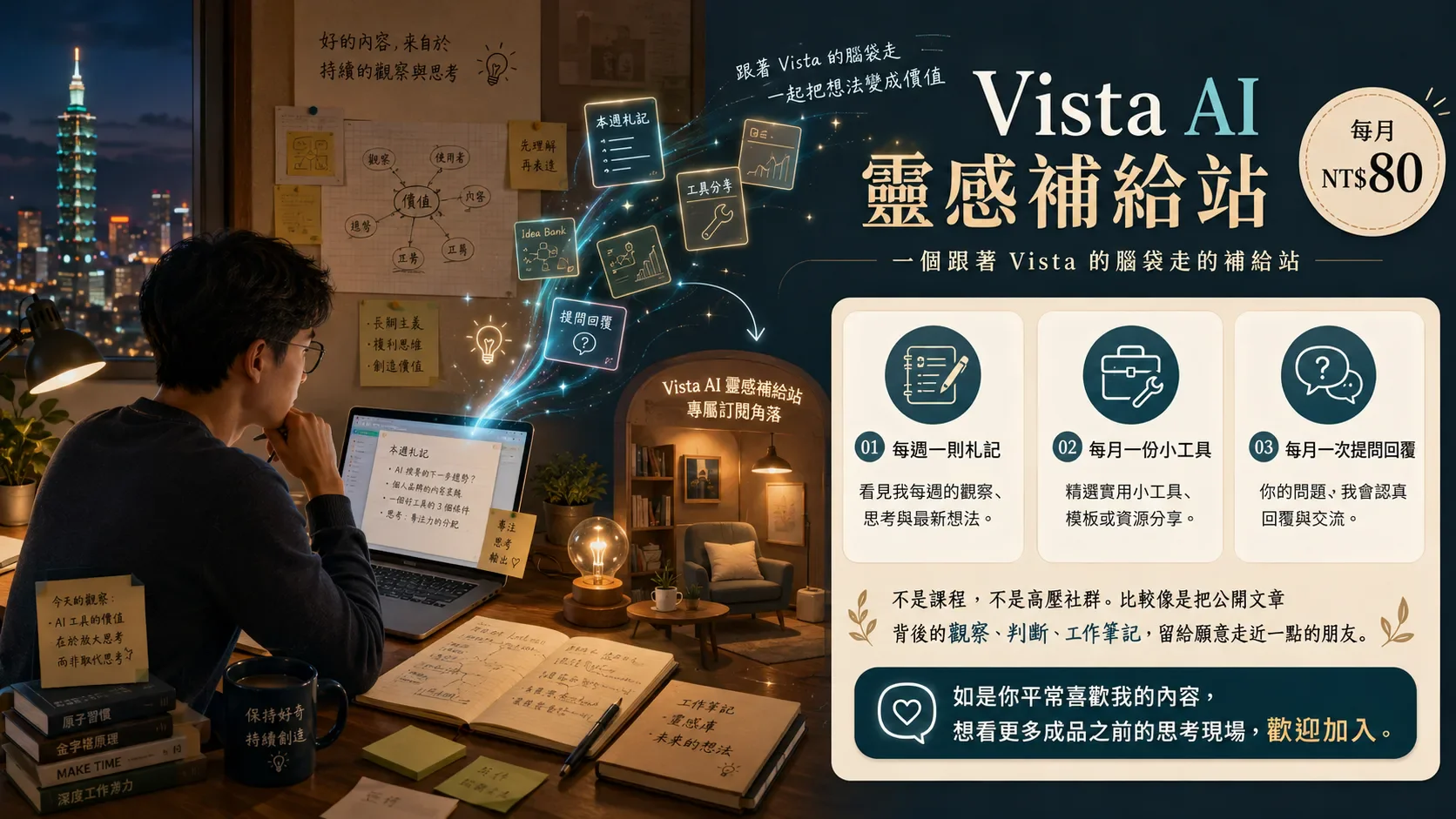
🛰️ Want someone to accompany you to see clearly in the wave of AI changes?
Almost all the public articles you see are finished products after repeated polishing. But what I cherish the most is the warm judgment before the finished product - this is the reason why I made Vista AI Inspiration Supply Station: a weekly thought note for fellow travelers in the AI era, sharing those Yoshimitsu Kataha that will not appear in formal articles with you who are willing to get closer.
Step 3: Modularization and concatenation
Finally, fix the successful collaboration mode as a Prompt template or knowledge base, and then use automation tools to connect these steps in one click. That’s exactly what I’ve been doing: Building a content production system instead of starting over from scratch every time.
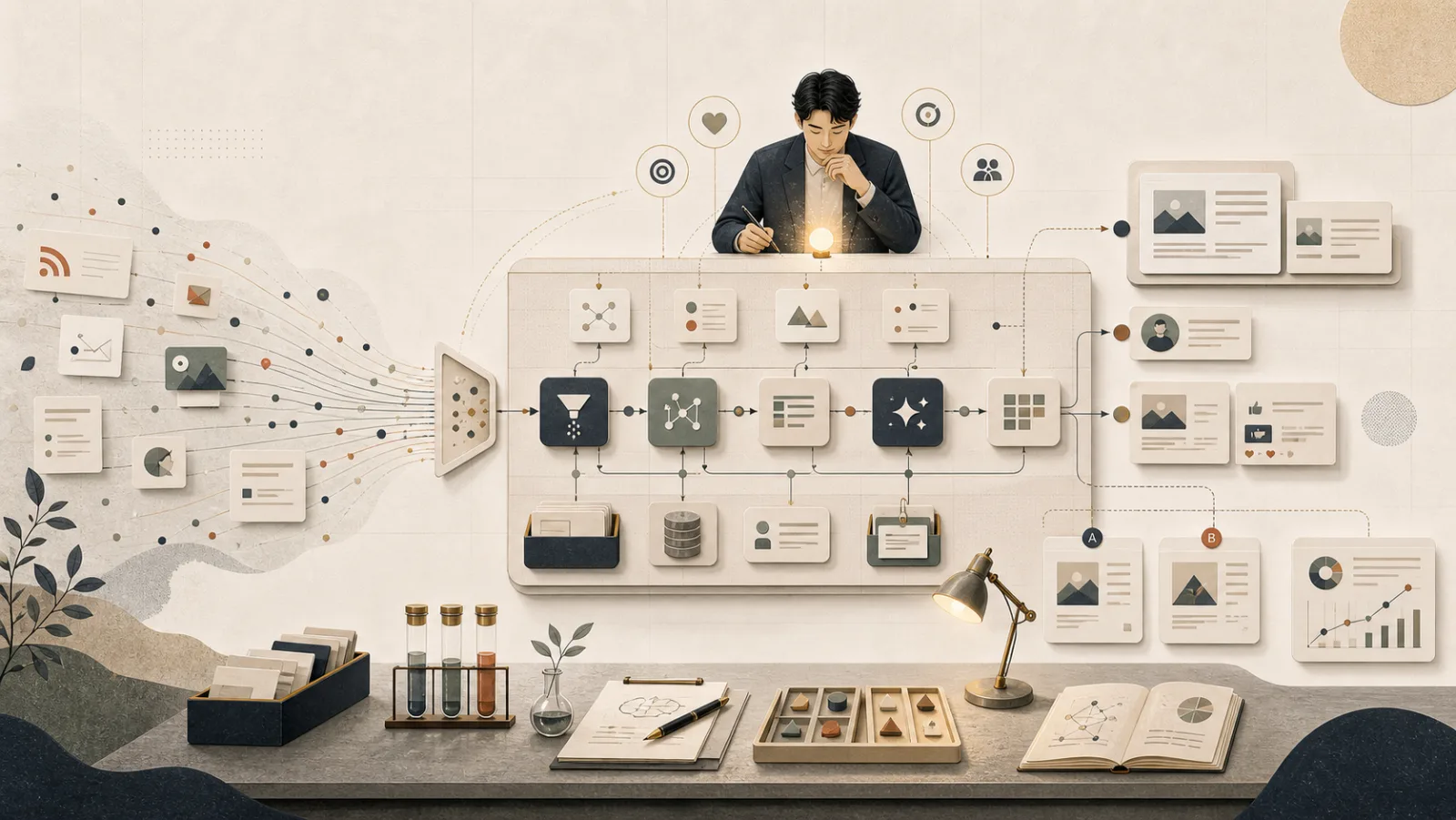
Take the trend tracking and content curation that marketers face every day as an example. An automated workflow can allow information to flow out from RSS or e-newsletter sources. It will first be automatically filtered by AI based on weight, and then the AI summary agent will refine the core ideas and business implications.
Marketers only need to make decisions based on the filtered high-value intelligence, inject unique taste, and finally let AI convert it into a draft email or LinkedIn post based on the characteristics of different platforms. Throughout the entire process, marketers have transformed from painful data collection workers to editor-in-chief with a powerful second brain. This is the core bonus brought by high-frequency experiments.
Beware of the fatal trap of “Tool Master”
However, in the process of advancing personal AI workflow, you must always be vigilant and not fall into the fatal trap of “tool masters”.
In the workplace, we often see people who are proficient in a variety of AI drawing and automated scheduling tools. Their workflows are extremely complicated, but the content they produce fails to impress consumers, and the advertising conversion rate remains sluggish. The more complex the tool, the higher the competitiveness.
No matter how AI changes, the core of digital marketing will always be to understand human needs and provide value exchange. AI is responsible for processing information, and you must be responsible for generating insights and emotions. If your experiment only turns you into a more sophisticated machine, you will eventually be replaced by a cheaper machine.
The future does not belong to AI, but to marketers who have AI workflows and the ability to think independently.
🚀 Want to make “upgrading your work system just by talking” a reality with your own hands?
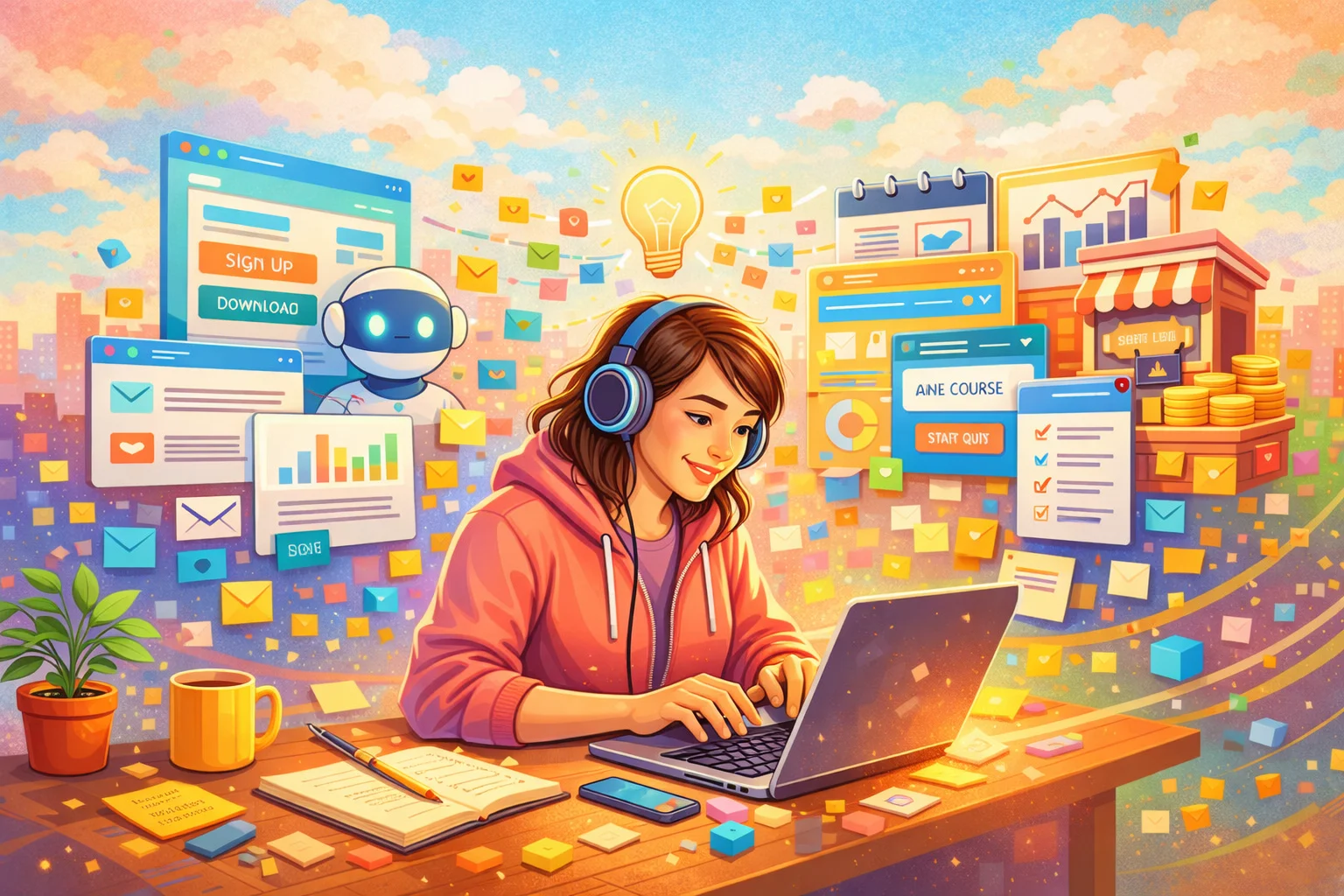
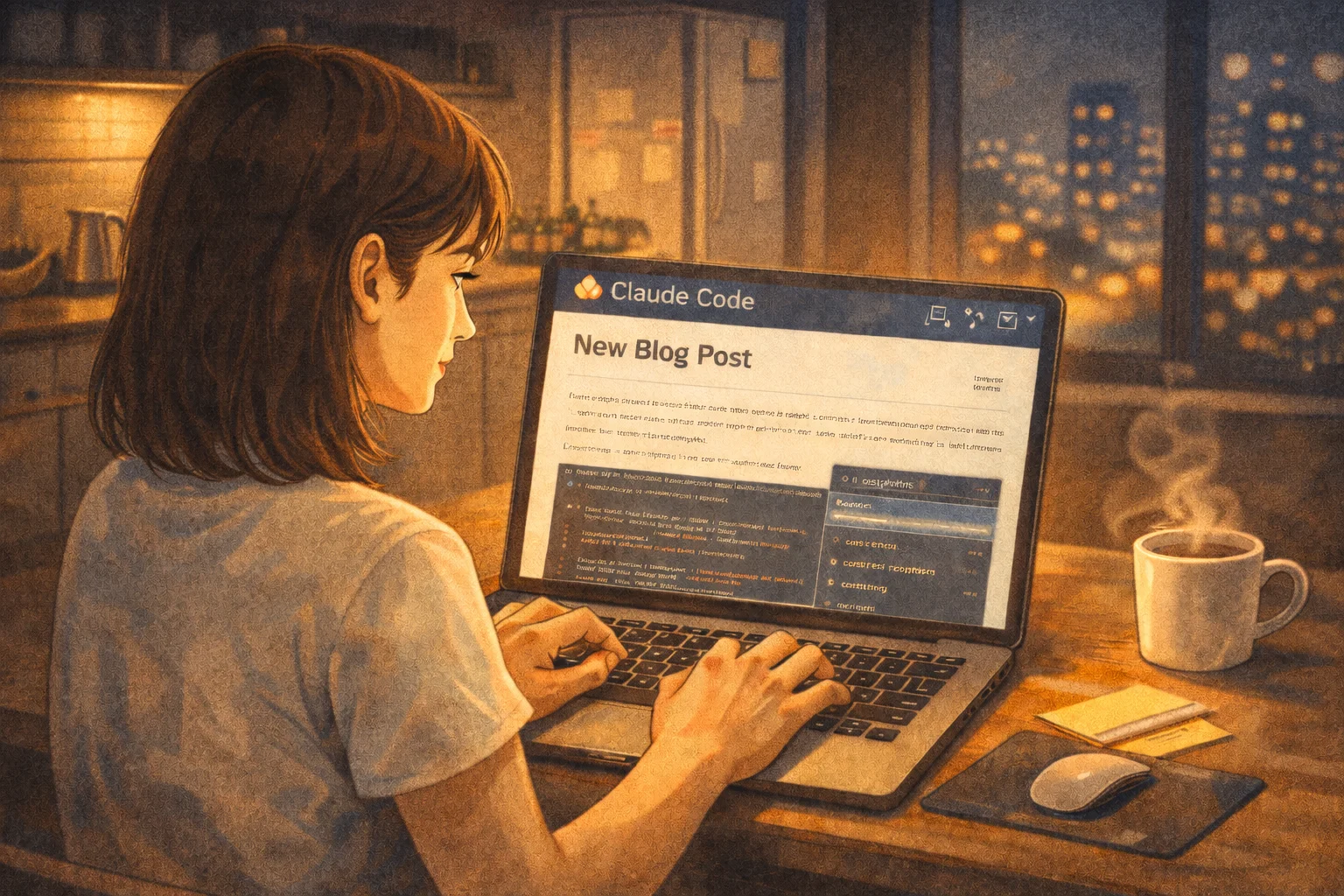
Vibe Coding mentioned in the article is not a patent for engineers. In the “Vibe Coding for Claude Code” practical workshop, I will take you to discuss back and forth with Claude Code in natural language in your own terminal, and create a personal website, sales page or automated script that can be launched online in 3 hours - this is the fastest way to turn the above AI workflow from concept into muscle memory that you can take with you.
Class 2 will start in Taipei on the morning of August 1, 2026 (Saturday). No engineering background is required, just come with ideas.
👉 Learn about the course and register: Vibe Coding for Claude Code Practical Workshop (Class 2)