Blog
Practical insights on AI, writing, and content strategy

Happy Valentine's Day: On the way to waiting for love, take good care of your own heart first
Valentine's Day is not just for lovers, it is more like a reminder lamp - reminding you to cherish, express and acknowledge that you also need to be understood and accompanied. Write to all those who are waiting, and also to those who are in happiness.

In the age of AI, should you follow the trend and transfer knowledge, or delve deeper into originality? A survival guide for content creators
When AI lowers the threshold for transferring knowledge to almost zero, the value of transferable content will also collapse. This article analyzes the essential difference between portability and originality, and shares the response strategies of five original creators to help you use depth and authenticity to build a personal brand moat that cannot be removed in an era of overwhelming information.

Use Vibe Coding to help music teachers create personal websites: let the profession be seen, believed and chosen
One afternoon, a music teacher with no programming background used Vibe Coding to create a personal website that can recruit students and can be updated. This article shares the complete process and four key steps so that your profession no longer exists only by word of mouth, but can be searched, shared, and referred.
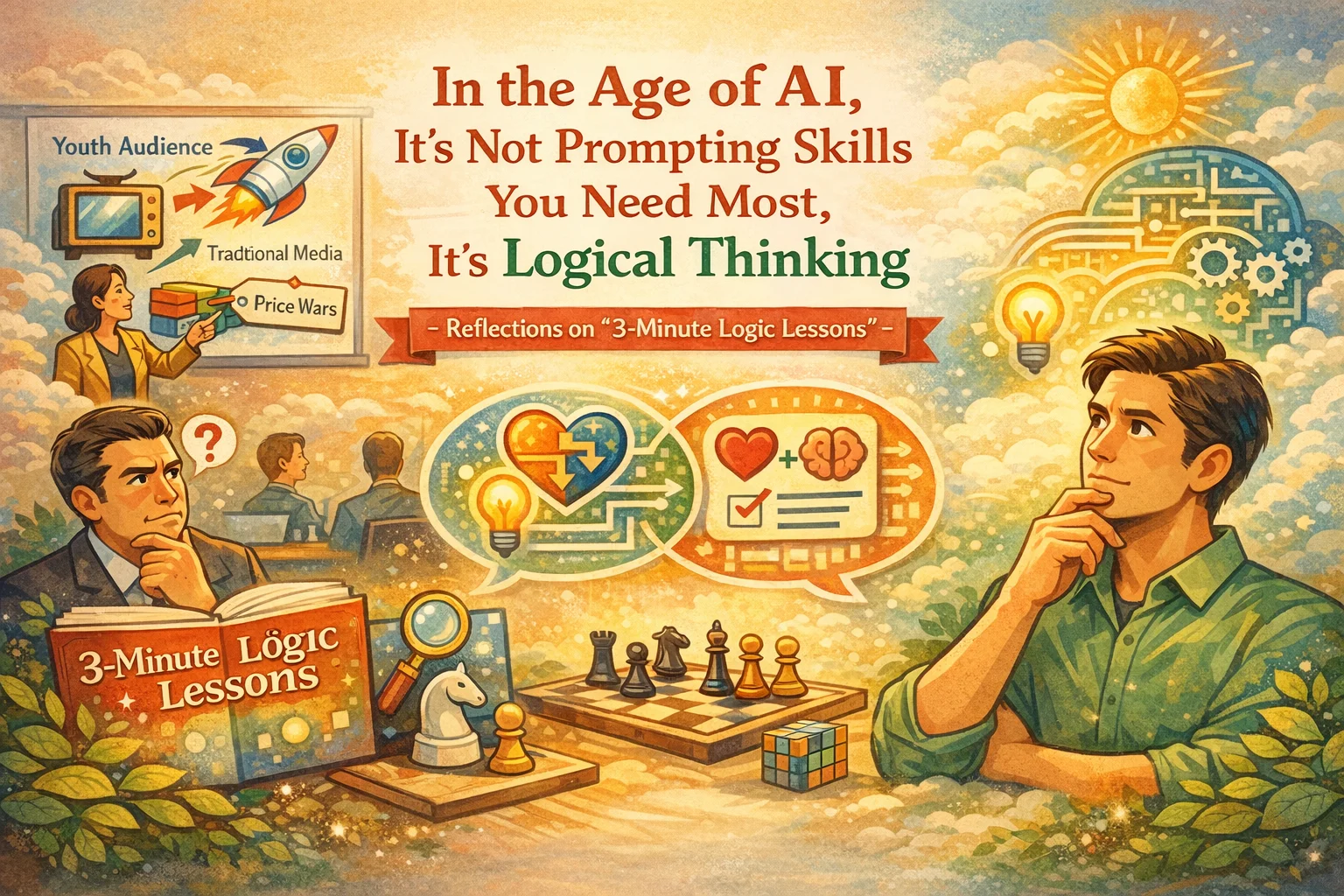
The most underestimated superpower in the AI era: Logic - 9 practical inspirations from reading "The Three-Minute Logic Lesson"
In an era when everyone can use ChatGPT, what really makes the difference is not Prompt skills, but logical thinking ability. Starting from Jiang Weiwei's "Three-Minute Logic Lesson", we share 9 logical thinking inspirations that can be implemented immediately to help you develop the strongest thinking muscles in the AI era.

Something big is happening, and are you ready? ——Reflections on reading Matt Schumer's "Something Big Is Happening"
A long article by Matt Schumer, CEO of AI startup OthersideAI, sparked global discussion and has been viewed nearly 70 million times. As an educator who teaches, writes about, and uses AI in Taiwan, I start from this article to share ten tips for survival in the AI era, and why now is the best time to start taking action.

Thoughts after reading "Find Your Sweet Spot": Find your best position in the hitting zone of life
Professor Sam Richard's "Finding Your Sweet Spot" is not an ordinary chicken soup for the soul, but a life guide to help you find your place in the existing cultural soil. From curiosity, self-awareness to leadership, this book made me rethink the relationship between effort and position, and also inspired me to deeply reflect on my self-positioning in the AI era.
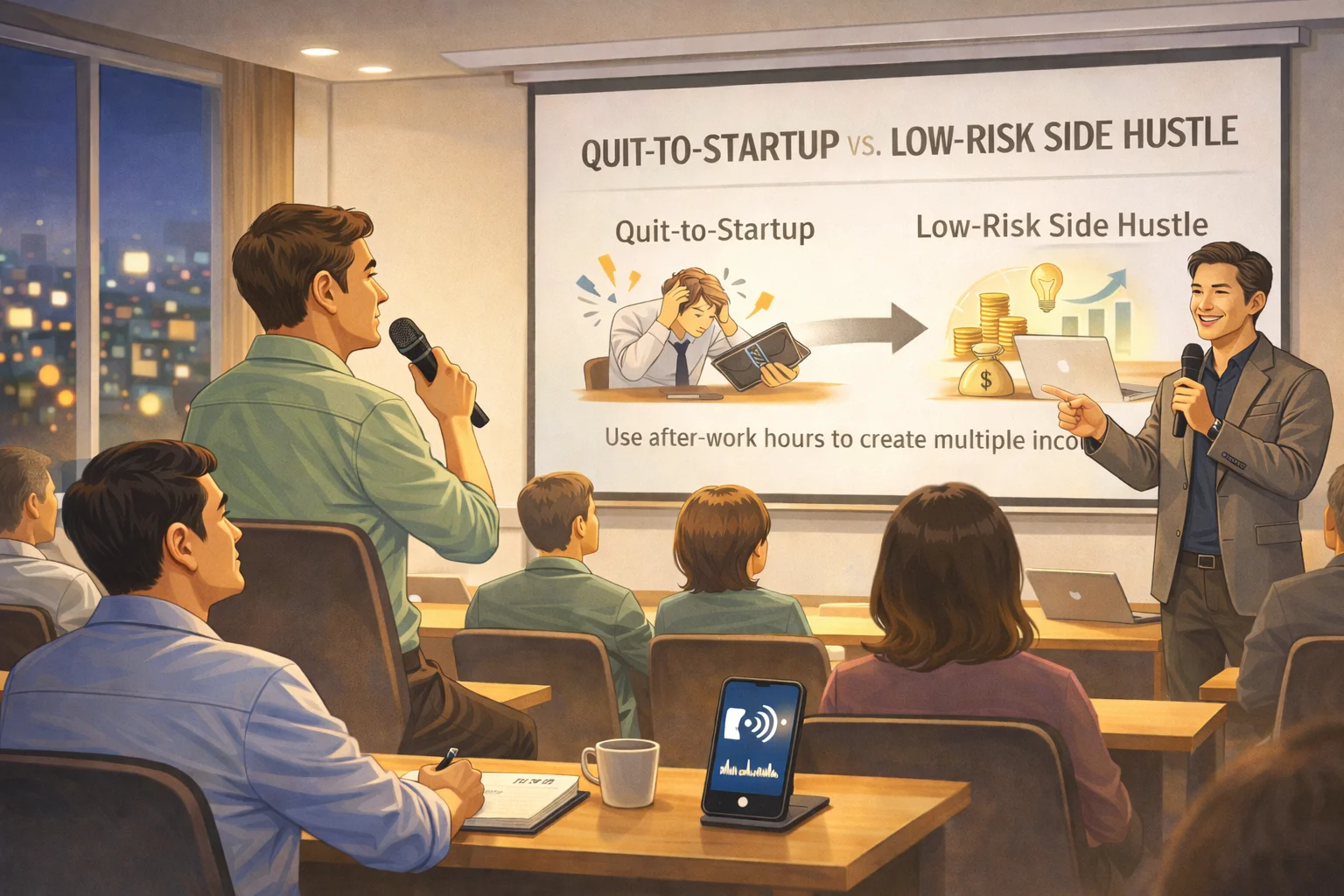
Low-risk slash-for-freedom: From the lessons of blood and tears of quitting and starting a business to the practical wisdom of smart trial and error
Instead of impulsively resigning, it is better to treat your boss as an angel investor. From the entrepreneurial blood and tears of coach Huang Yaojun, the three steps of low-risk slash are extracted: inventory capabilities, finding positioning, market verification, and using AI tools to accelerate the process from zero to one, allowing you to pursue your dreams at an affordable price.

When a cousin becomes a grandmother: a book teaches you how to keep your wealth when you are old and prevent your assets from turning into disputes
Starting from the news that my fourth cousin became a grandmother, I shared my reading experience of "A Compulsory Course on Wealth Management for Old Age People". This book breaks away from the traditional financial management framework and uses the four major logics of "risk → protection → inheritance → tools" to build a complete asset defense system for mature people.

Is PARA really the key to information management in the AI era?
Tiago. Ford claims that PARA is the key to the AI era, but is it really so? This article deeply analyzes his arguments and blind spots from the three dimensions of information science, cognitive psychology, and AI technology, and proposes six major courses of action—embrace hybrid strategies, let AI handle order, and let humans embrace meaningful chaos.
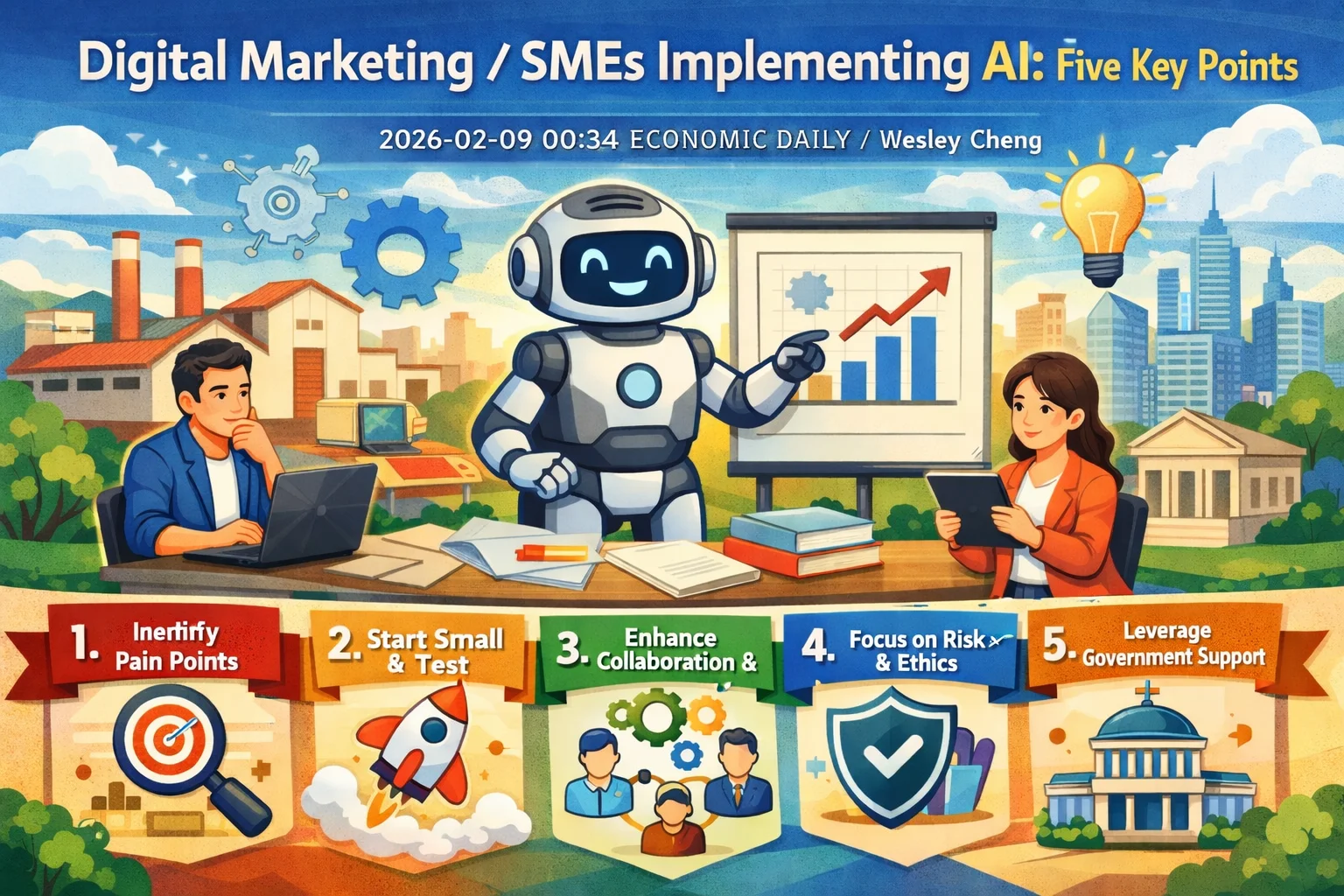
Five key points for small and medium-sized enterprises to introduce AI: Don’t use AI for the sake of AI, pragmatic application is the way to go
More than half of companies have planned to introduce AI, but only 12% have actually implemented it. Drawing on the experience of the Netherlands and Switzerland, this article puts forward five key suggestions for small and medium-sized enterprises to introduce AI, avoid the trap of blindly following the trend, and move towards pragmatic smart transformation.
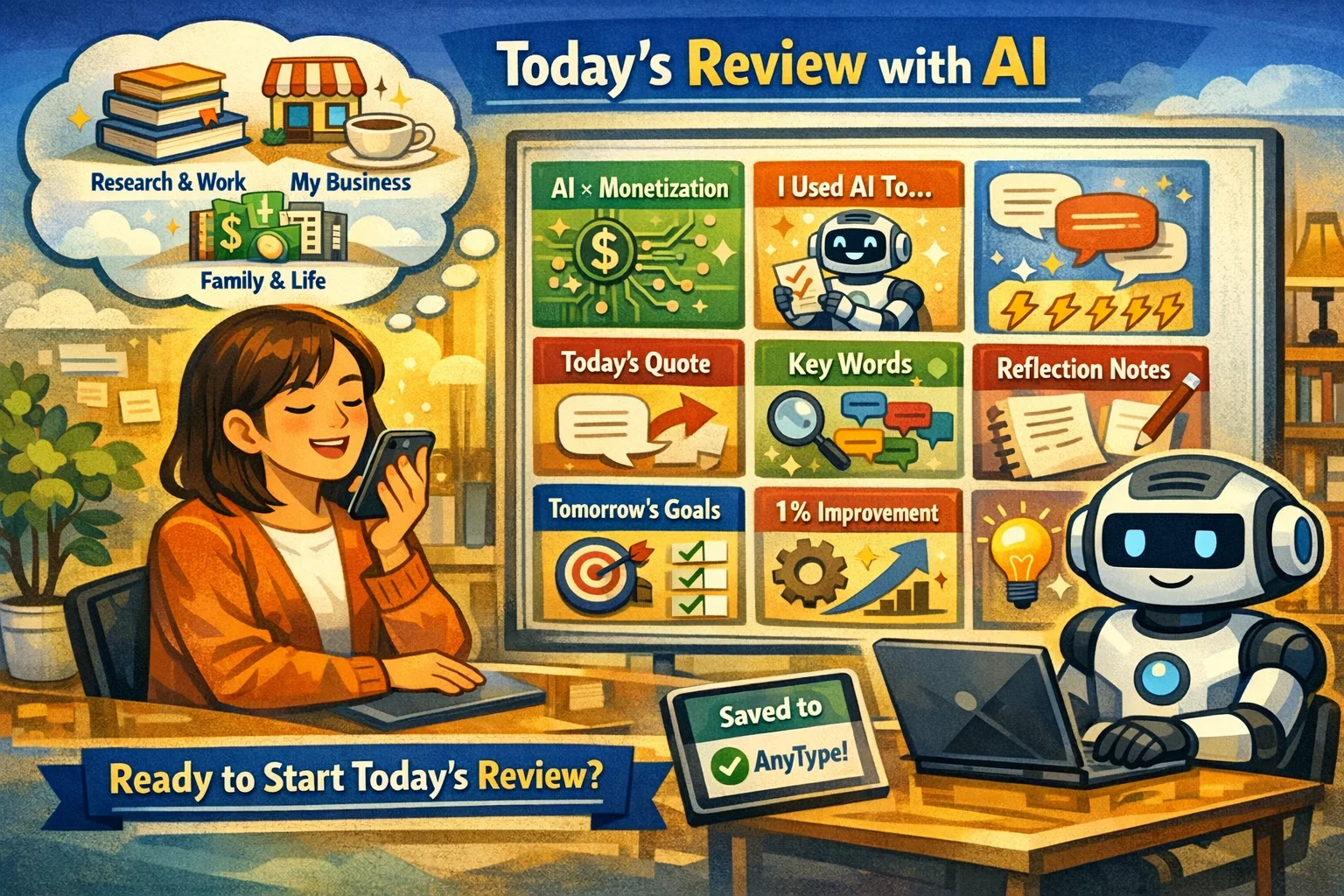
I no longer "write" a diary: AI lets me "talk" instead, turning my life into a database
From manual diary writing to voice input, to AI automatic archiving - share the evolution of diary writing with AI in the past three years, and how to connect note-taking software through MCP to create a personal database that can be queried and reviewed.
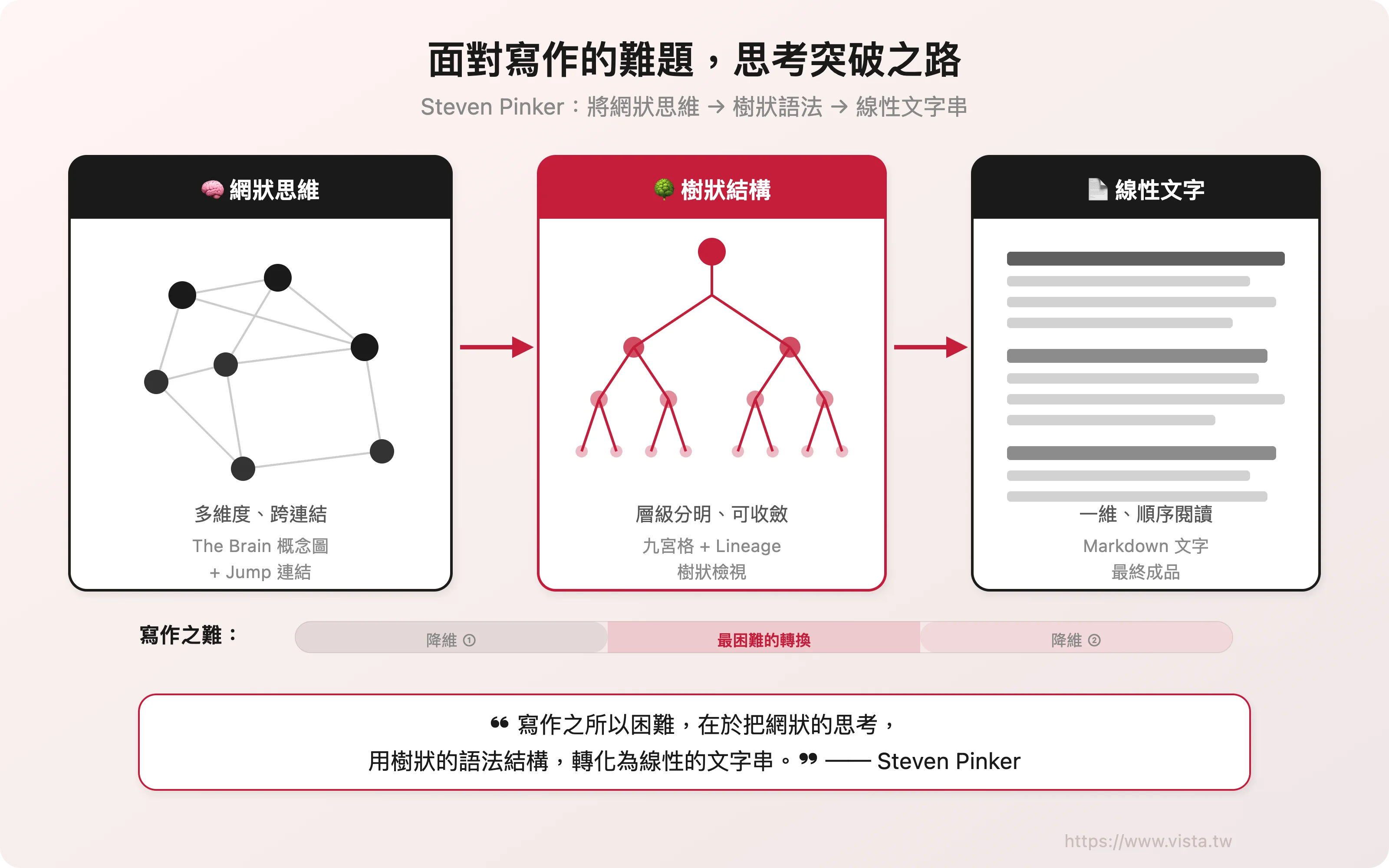
From network thinking to linear expression: The hardest part of writing is not putting pen to paper, but turning ideas into a path that readers can follow.
The real difficulty in writing is not the lack of ideas, but how to convert the network thinking in the mind into a linear path that the reader can complete. This article shares practical conversion methods from the Internet to the tree, and from the tree to the line, to help you break through writing barriers.

AI won’t make you dumb, but it won’t make you stronger either: Talking about brain-protecting AI learning methods
From the AI education lecture by President Li Haishuo, we will discuss how to use AI correctly to learn - avoid the traps of cognitive offloading and false mastery, and use the brain protection triangle strategy to make AI your coach rather than a substitute.

From Twitter to X: Returning after twenty years, long-form writing is the bankbook of trust
From the early adopters of Twitter in 2006 to the return of the
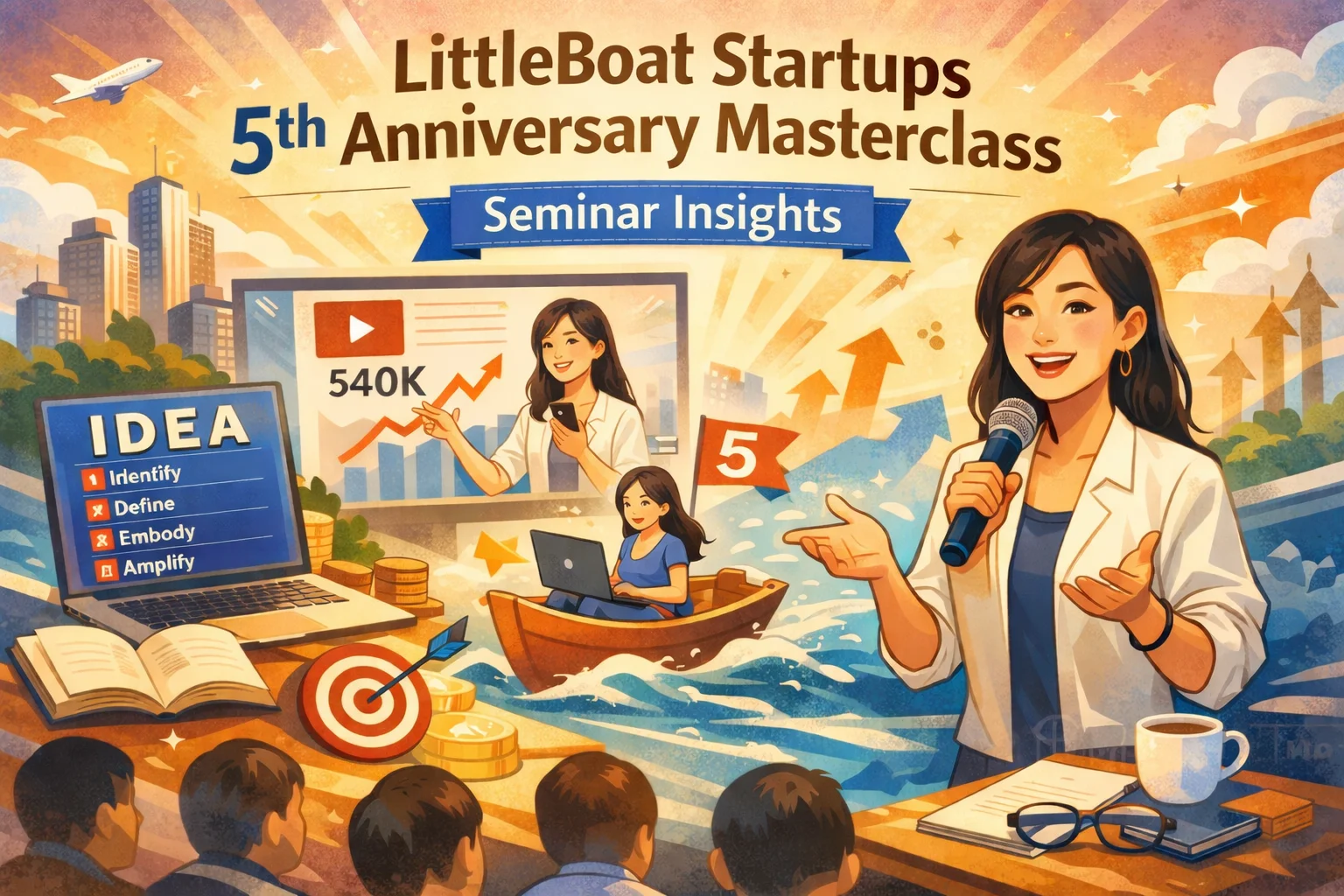
Escape from pain to a free life: Xiaozhou’s systematic entrepreneurial methodology
The experience of listening to the public lecture on the fifth anniversary of Xiaochuan Entrepreneurship, and an in-depth analysis of the IDEA blueprint system - a complete knowledge-based payment entrepreneurship methodology from identifying unique value, accurately positioning target groups, value packaging to amplifying influence.