From choosing a journal to controlling your academic destiny: a replicable submission strategy
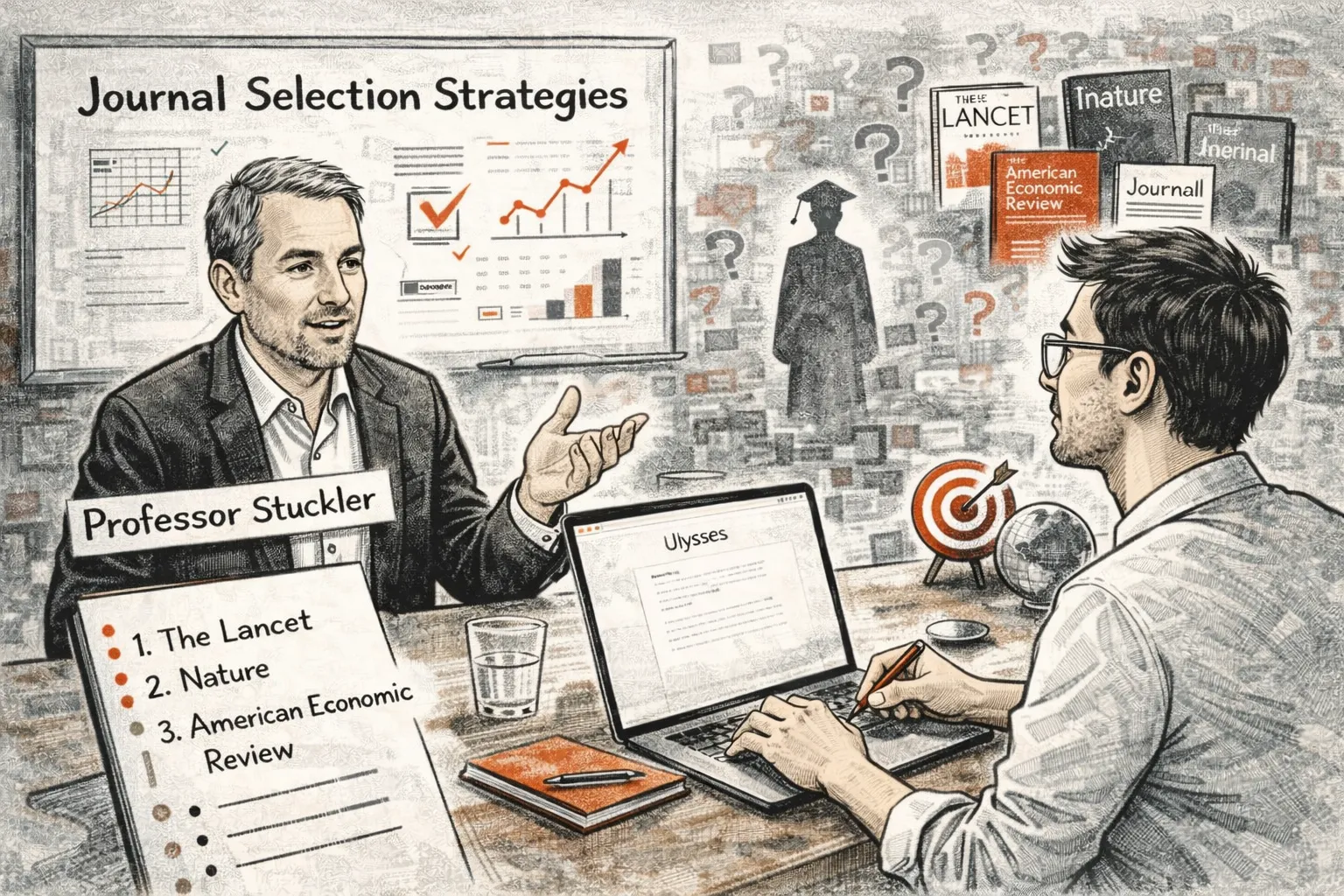
I recently gained a lot of valuable inspiration from watching Professor Stuckler (opens in a new tab)’s video on how to choose the right journal for your paper. With clear logic and rich coaching experience, this professor breaks down the seemingly complex issue of journal selection into actionable and systematic steps. The following is my experience of listening to the lecture, and I hope to share it with my friends who are also struggling on the academic road.

Researchers lost in the jungle of journals
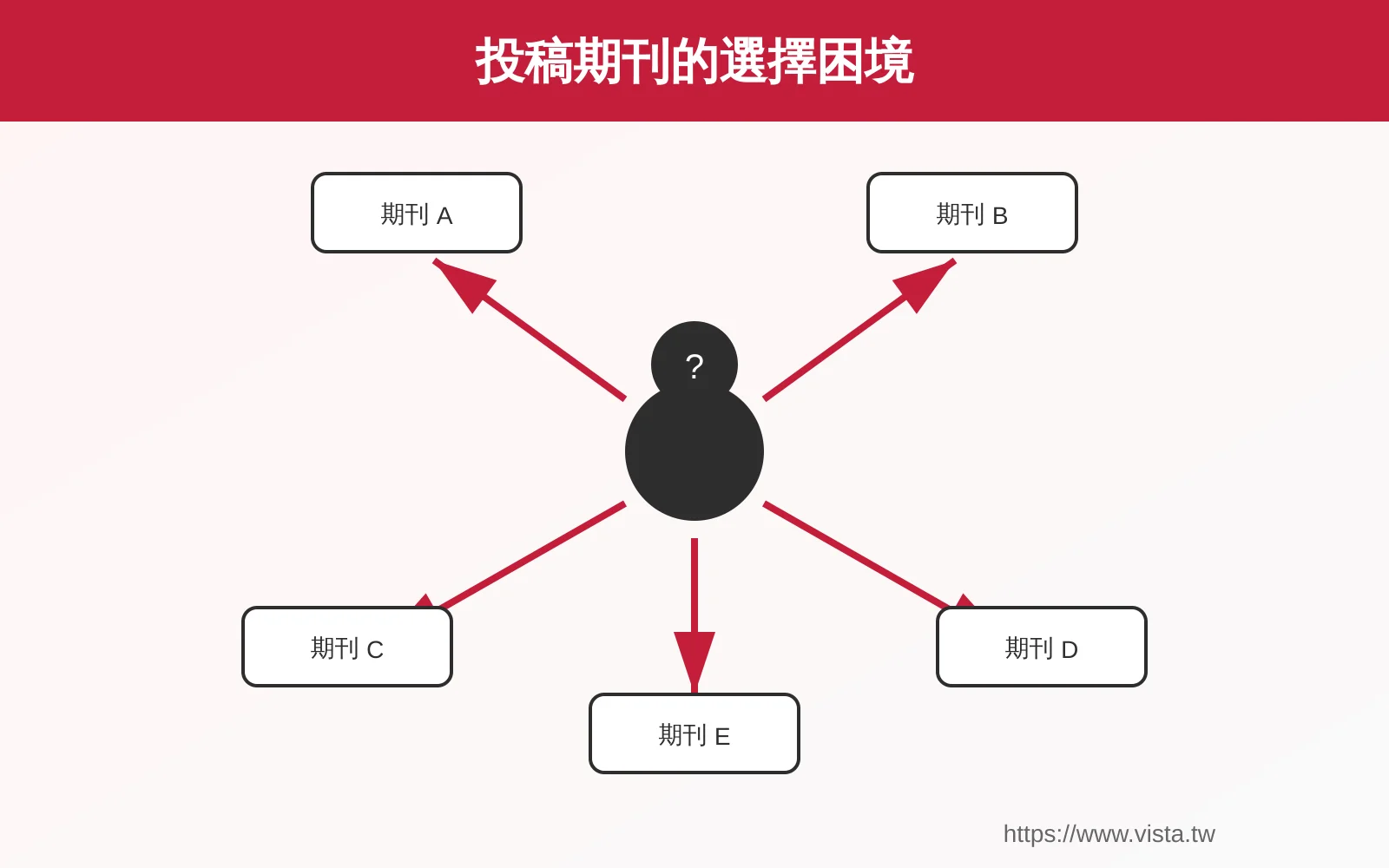
At the beginning of the video, Professor Stuckler pointed out the pain point of many researchers: when we have completed a paper that we are satisfied with and are looking forward to submitting it, we are stuck on the question “Which journal should we submit to?” This situation is all too familiar to me. As a person who works both as an academic researcher and as a practical consultant, I know the importance of choice. In the field of corporate training, I often tell students that direction is more important than effort; and in the context of academic publishing, choosing the right journal may determine the success or failure of publication more than the completion of the paper itself.
Professor Stuckler mentioned that the dilemma in journal selection is that there are too many options, complex considerations, and researchers at different stages have different needs. This reminds me that in the field of content marketing, we often say that knowing your audience (opens in a new tab) is the first step to success; in the world of academic publishing, the same truth applies - except that the “audience” here is journal editors and reviewers.
Goal first: What do you want to get from this paper?
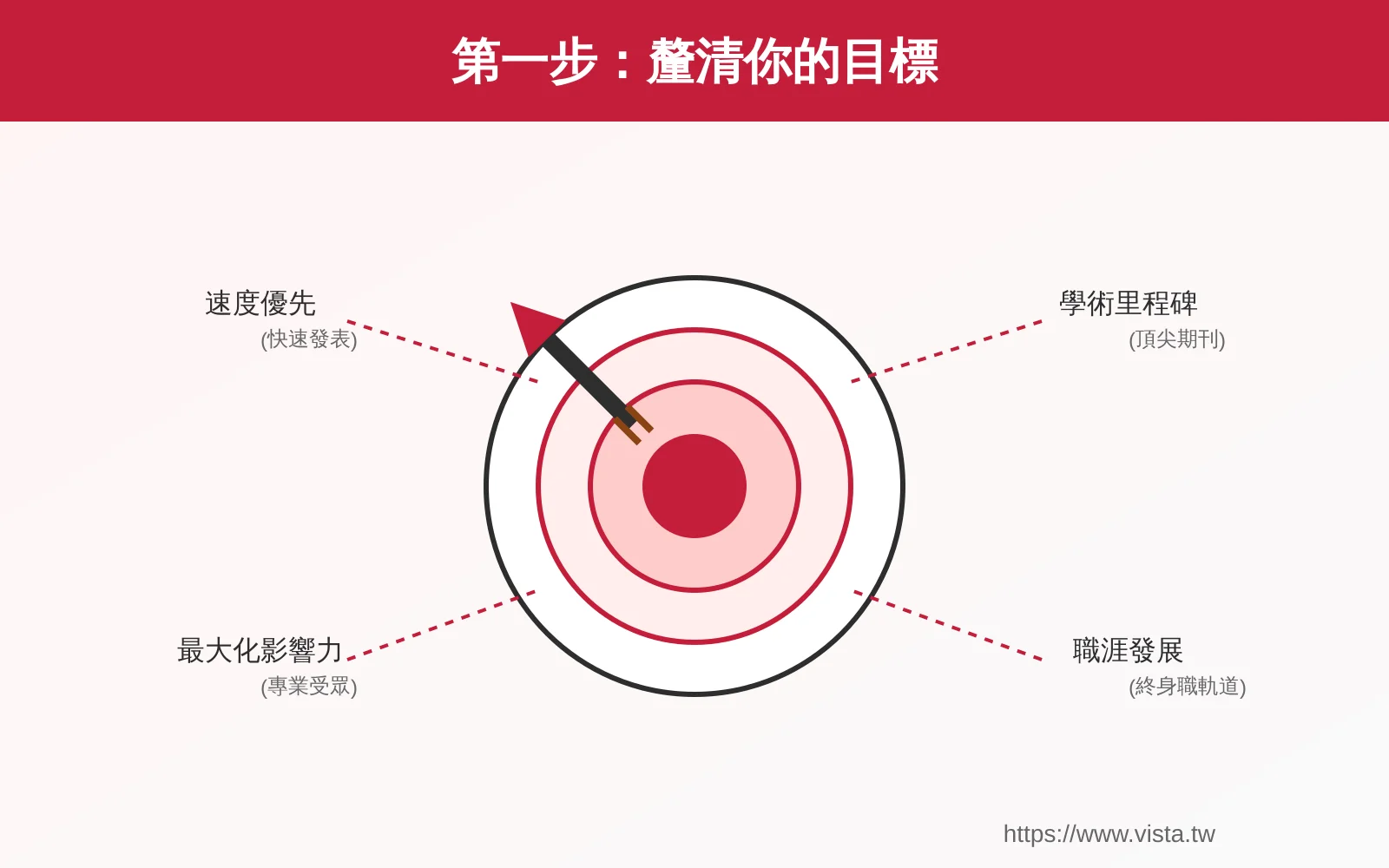
The point that impressed me most in the film was Professor Stuckler’s emphasis on goal-oriented thinking. He directly pointed out that if you do not have a clear academic career plan, your choice of journals will be like sleepwalking, staggering from one paper to the next. This metaphor was very vivid and made me reflect on my past publishing experience.
If you don’t have a clear academic career plan, you will be sleepwalking from one paper to the next when choosing journals.
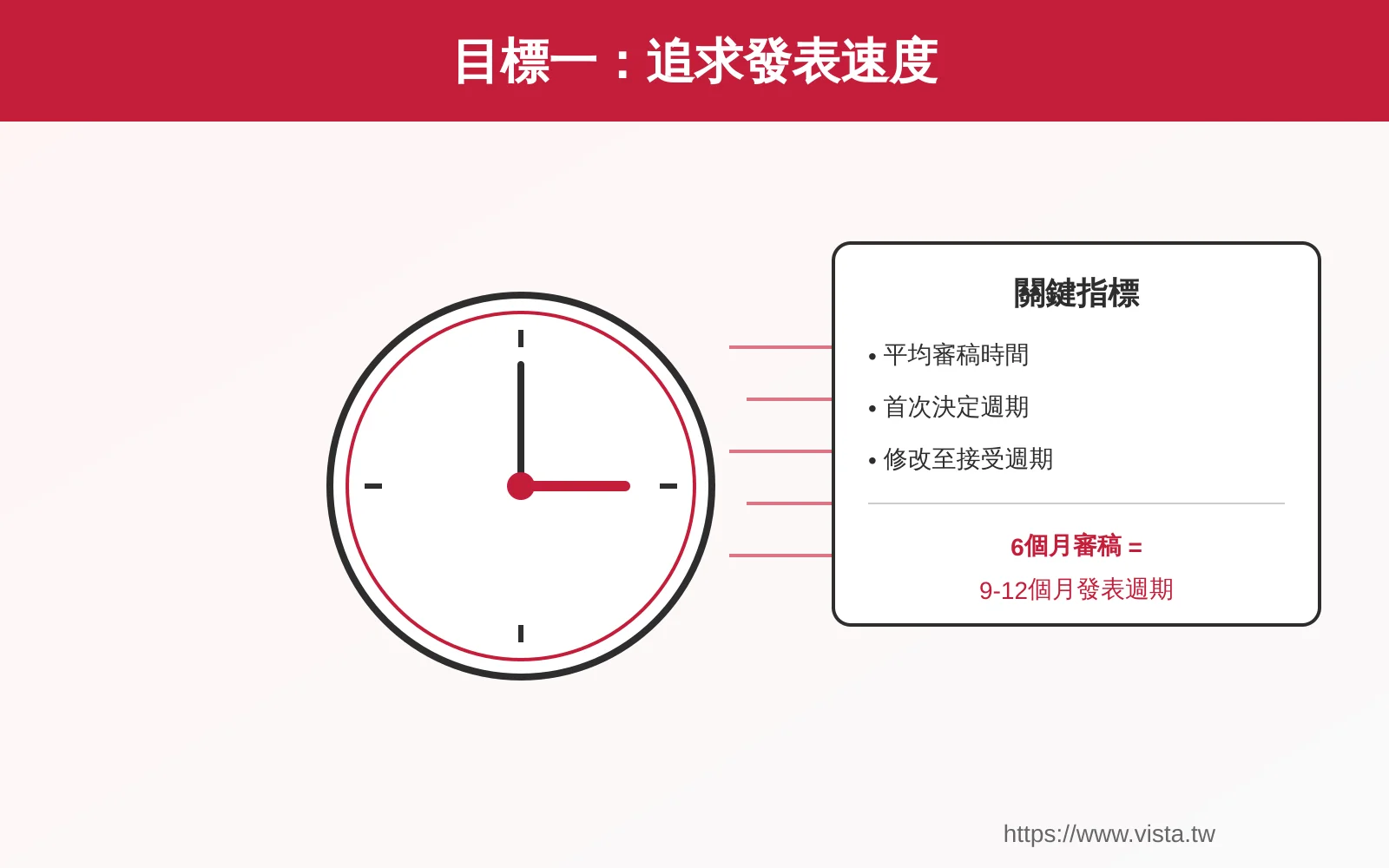
The professor roughly divides researchers’ publication goals into three categories. The first category is the pursuit of speed, that is, those situations where publication needs to be completed within a specific deadline, such as the threshold requirements for doctoral graduation. For such needs, he suggested paying special attention to the journal’s average review time. If a journal’s review cycle exceeds six months, it is likely to take nine months to a year from submission to final acceptance. This reminder is very useful because many first-time researchers often underestimate the time required for the entire publication process. This is consistent with the principle of setting specific and feasible goals - you need to adjust your strategy based on realistic conditions.
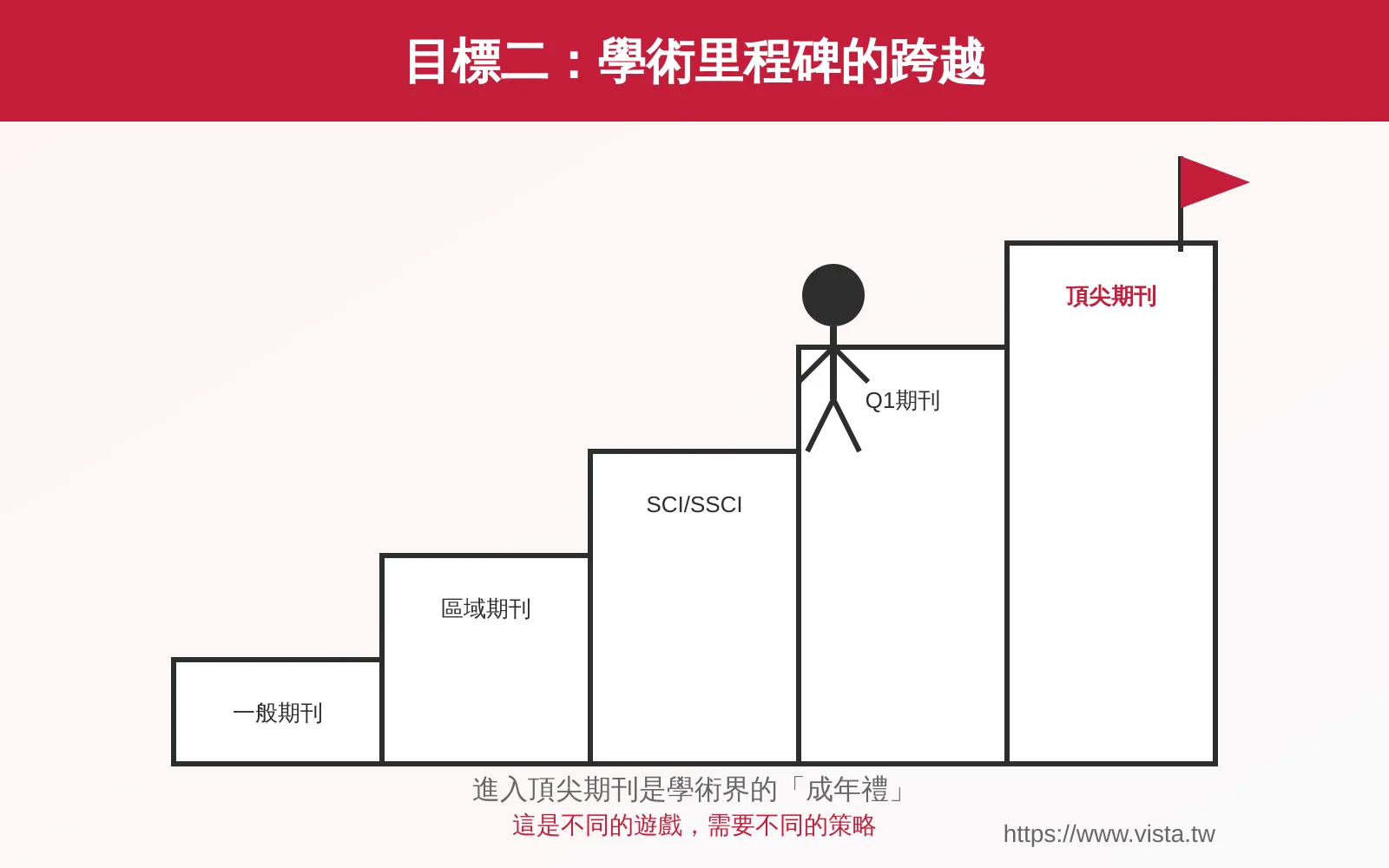
The second type of goal is to cross academic milestones. Professor Stuckler uses the term “rite of passage” to describe the meaning of publishing in top journals. He took the field of social sciences as an example and mentioned that he could work in American Economic Review (opens in a new tab) or American Sociological Review (opens in a new tab) Publishing in such journals is often the key to getting a teaching position at a top university. This kind of publication is not only the accumulation of academic achievements, but also a symbol of professional recognition.
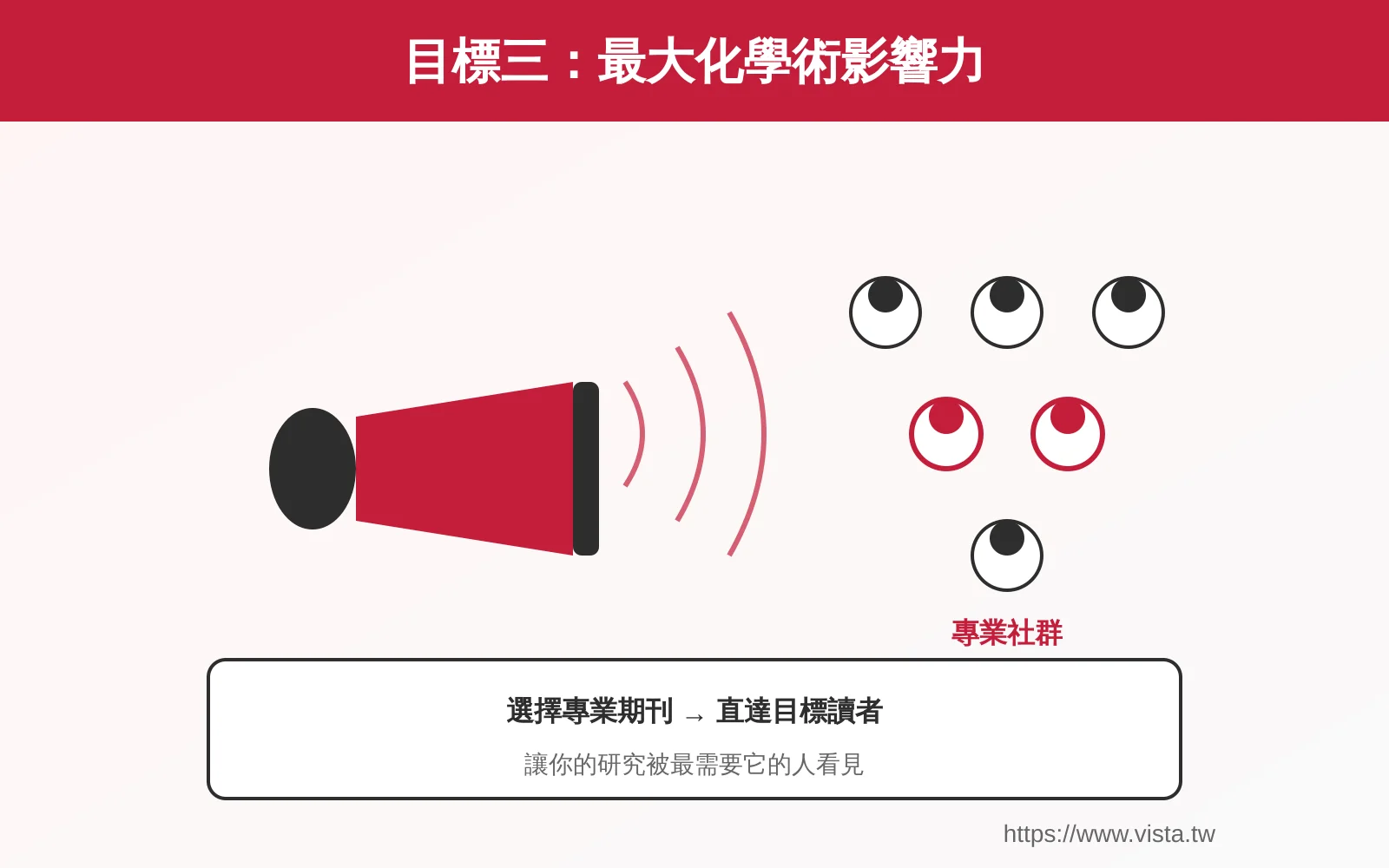
The third type of goal is to maximize impact. This perspective particularly resonates with me. Professor Stuckler pointed out that some researchers do research to truly change the world and make their voices heard. For this type of researchers, choosing professional journals that directly target the target readership may be more effective than pursuing top comprehensive journals. This perspective broke the myth that “the higher the score, the better” and made me rethink the true value of academic publishing.
Suitability: the primary reason for rejection
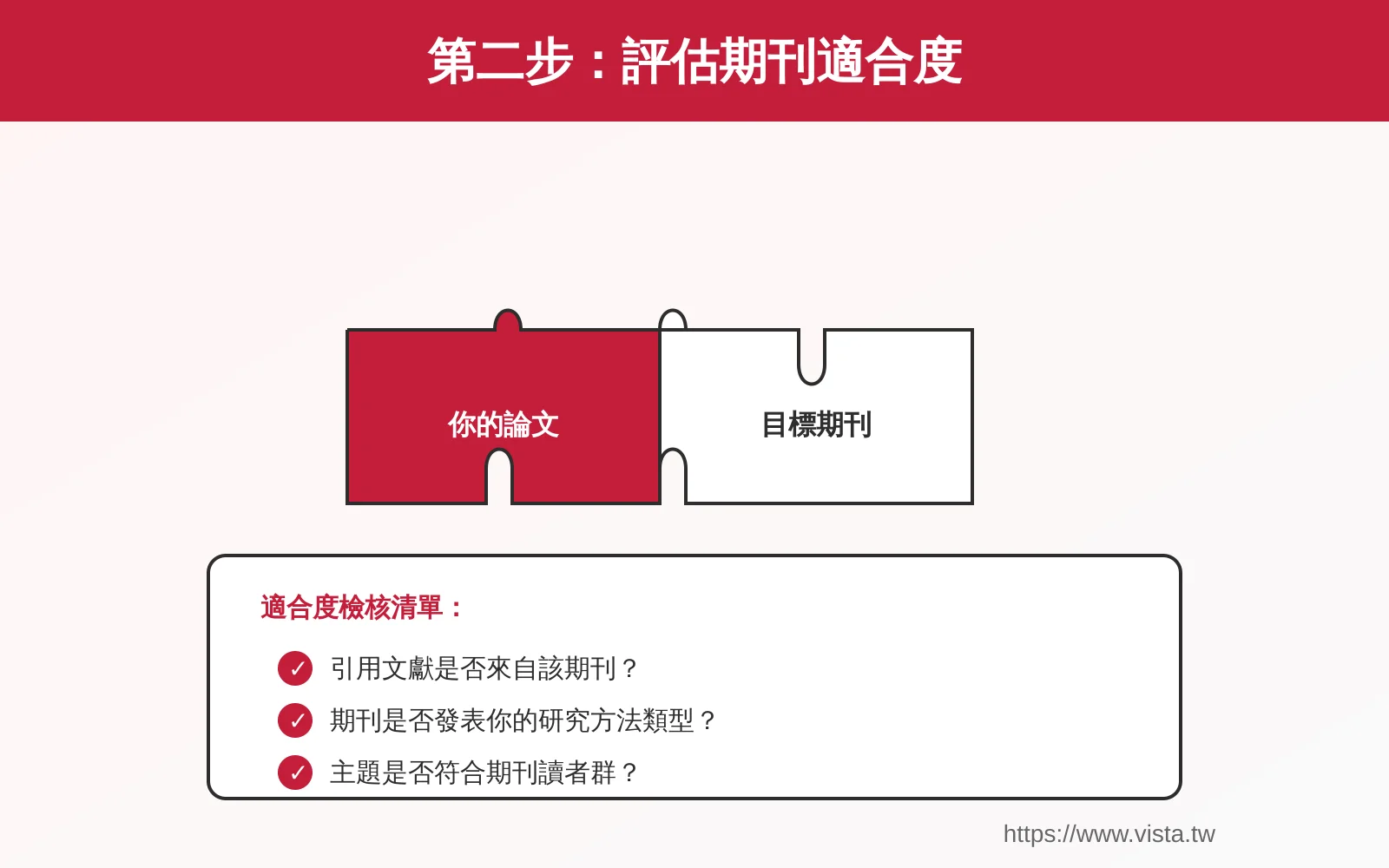
Another important reminder in the video is about the assessment of “fit”. Professor Stuckler clearly pointed out that one of the first reasons why a paper is rejected is that the editor believes that although the paper is technically sound, it is not suitable for our readership. This insight is very valuable to me because it reminds us that academic publishing is not just about presenting research results, but also a dialogue - you have to find a community that is willing to dialogue with you. This is the same as writing product copy starts with understanding the voices and needs of the target audience.
One of the primary reasons why a paper is rejected is that the editor believes that although the paper is technically sound, it is simply not suitable for our readership.
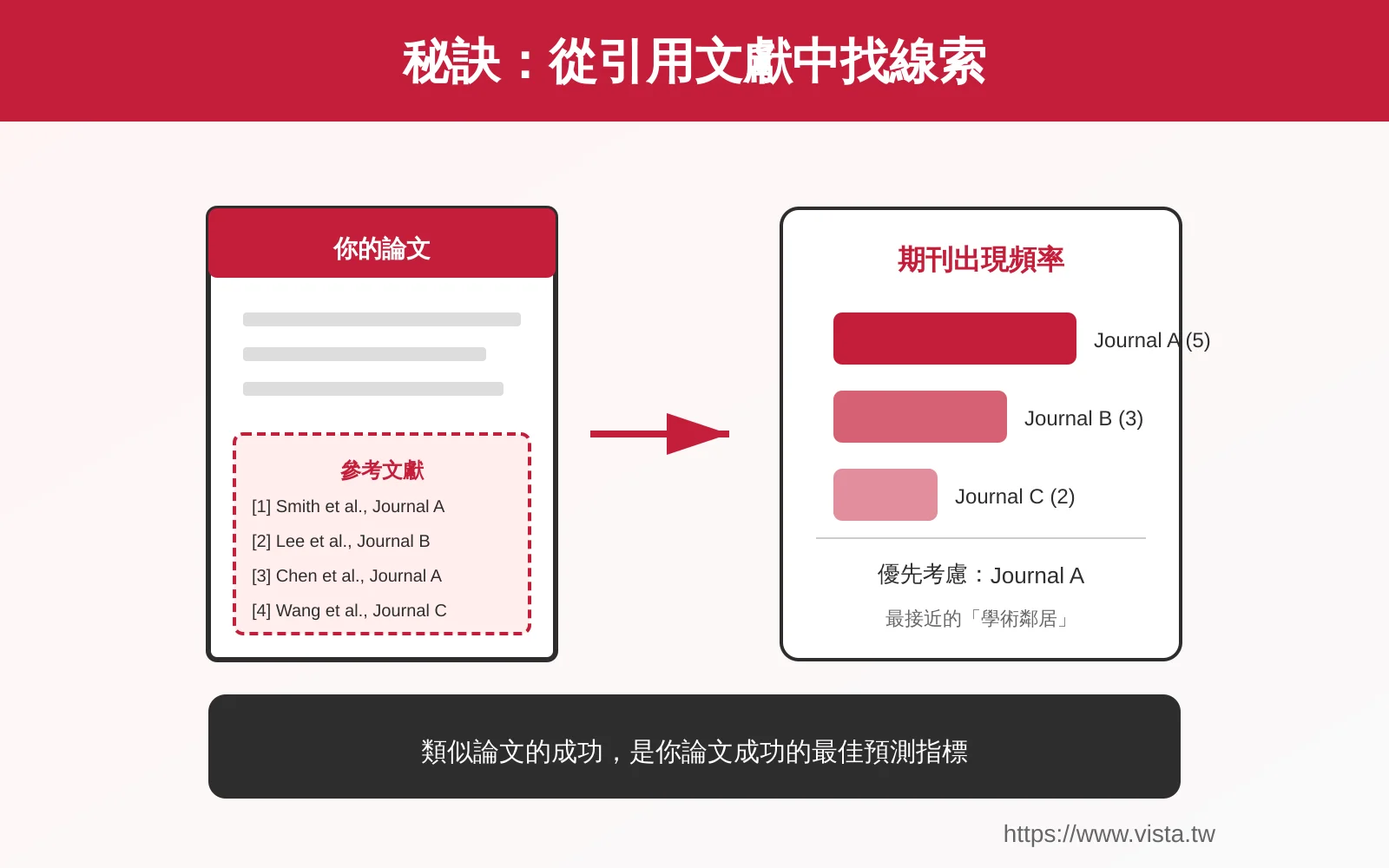
The professor provided a very practical way to assess suitability: carefully review the citations of your own paper. For those papers you cited in your research, in which journals were they published? Those journals are likely your paper’s natural habitat. This method is simple but profound, because the literature you cite represents the academic neighbors closest to your research, and the successful experience of these neighbors is often the best indicator of predicting the success probability of your paper.
In addition, Professor Stuckler also reminds us to confirm whether the target journal publishes the research methods we use. He gave an example: If you are doing qualitative research, do not submit to a journal that never publishes qualitative research. This sounds like common sense, but in practice, many researchers do make this mistake.
Impact factor: Optimize under restrictive conditions
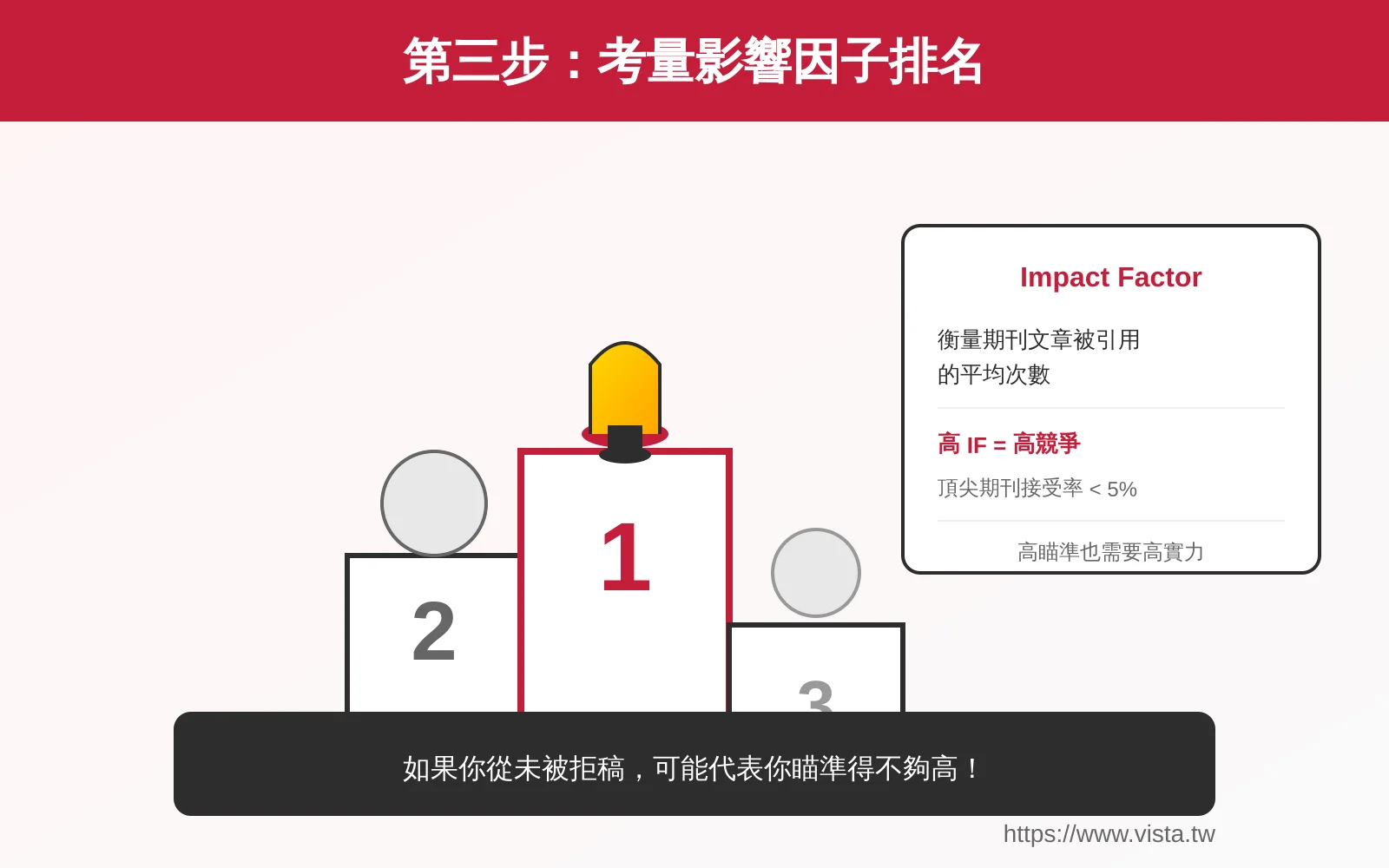
After establishing goals and assessing fit, Professor Stuckler talks about impact factors and journal rankings. This sequence arrangement itself is an important reminder - the impact factor is an indicator used for final optimization after the first two conditions are met, and is not the only or primary consideration.
The professor’s explanation of the impact factor is straightforward: it basically quantifies the frequency with which papers in a journal are cited. The higher the impact factor, the more intense the competition. He cited The Lancet as an example. The acceptance rate of this top medical journal is less than 5%, which means that even if your paper is of average quality, the chance of being rejected is still very high.
The Impact Factor reflects the “average number of citations” of journal articles, not “each article will be cited so many times.” If you want to pursue influence, what you should look at is: Are the readers of this journal the people you want to talk to?
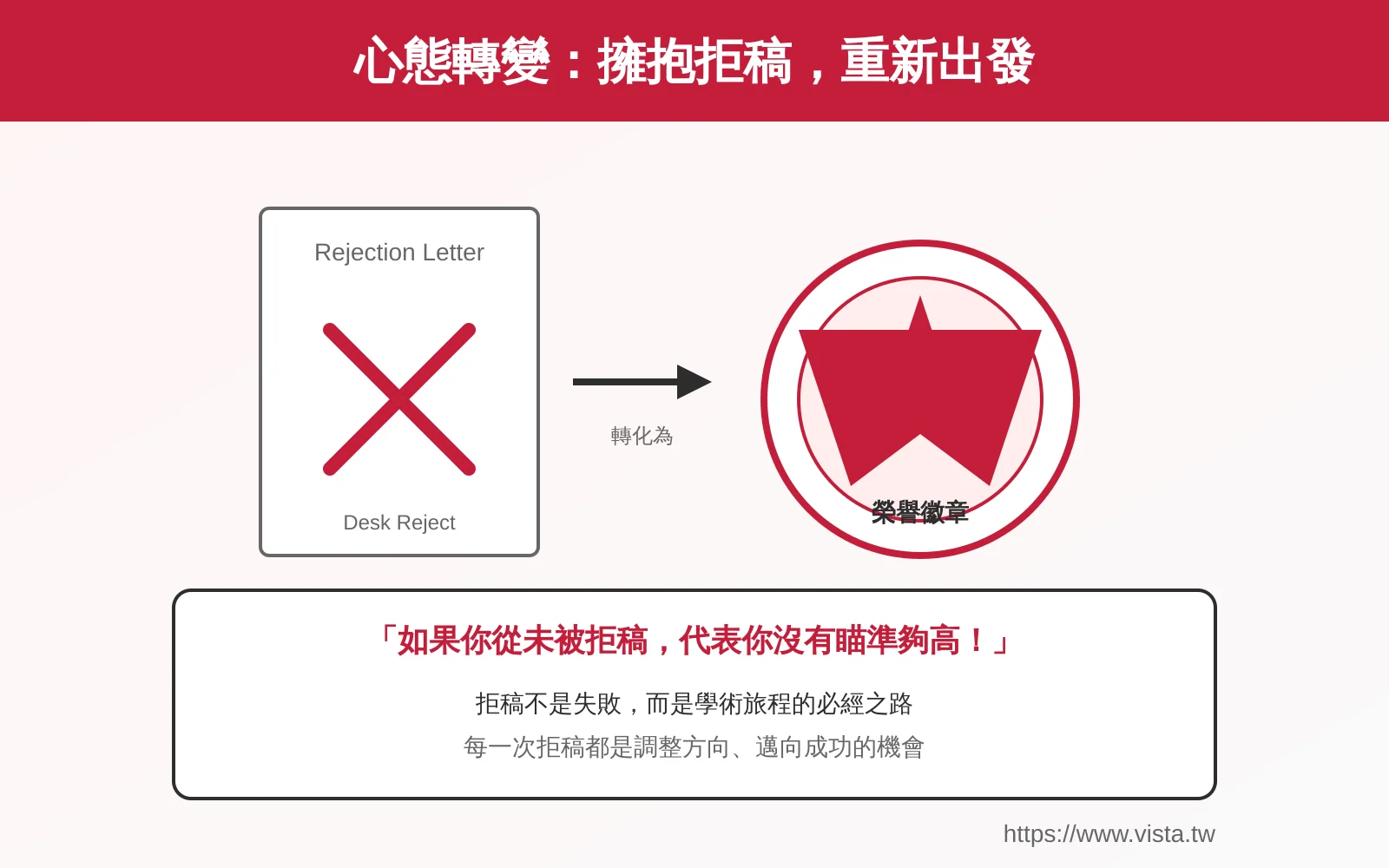
But what impressed me the most was what the professor said next: “If you have never had your manuscript rejected, it means your aim is not high enough.” This sentence may sound counter-intuitive at first, but it makes perfect sense if you think about it carefully. Academic publishing is a process that requires constant challenge and growth. If every submission is steadily accepted, it may mean that you have been spinning in your comfort zone without trying to break through. This mindset shift is in line with the spirit of How to Strengthen Mental Resilience in the AI Era - adversity is an opportunity for growth.
Seeing this reminds me of the two articles I submitted to TSSCI last year, both of which were revised three times. As a result, one was accepted by luck and the other was rejected. The road to academic research is long and there is still much work to be done.
Five Journal Checklists: Keeping You Ready to Strike
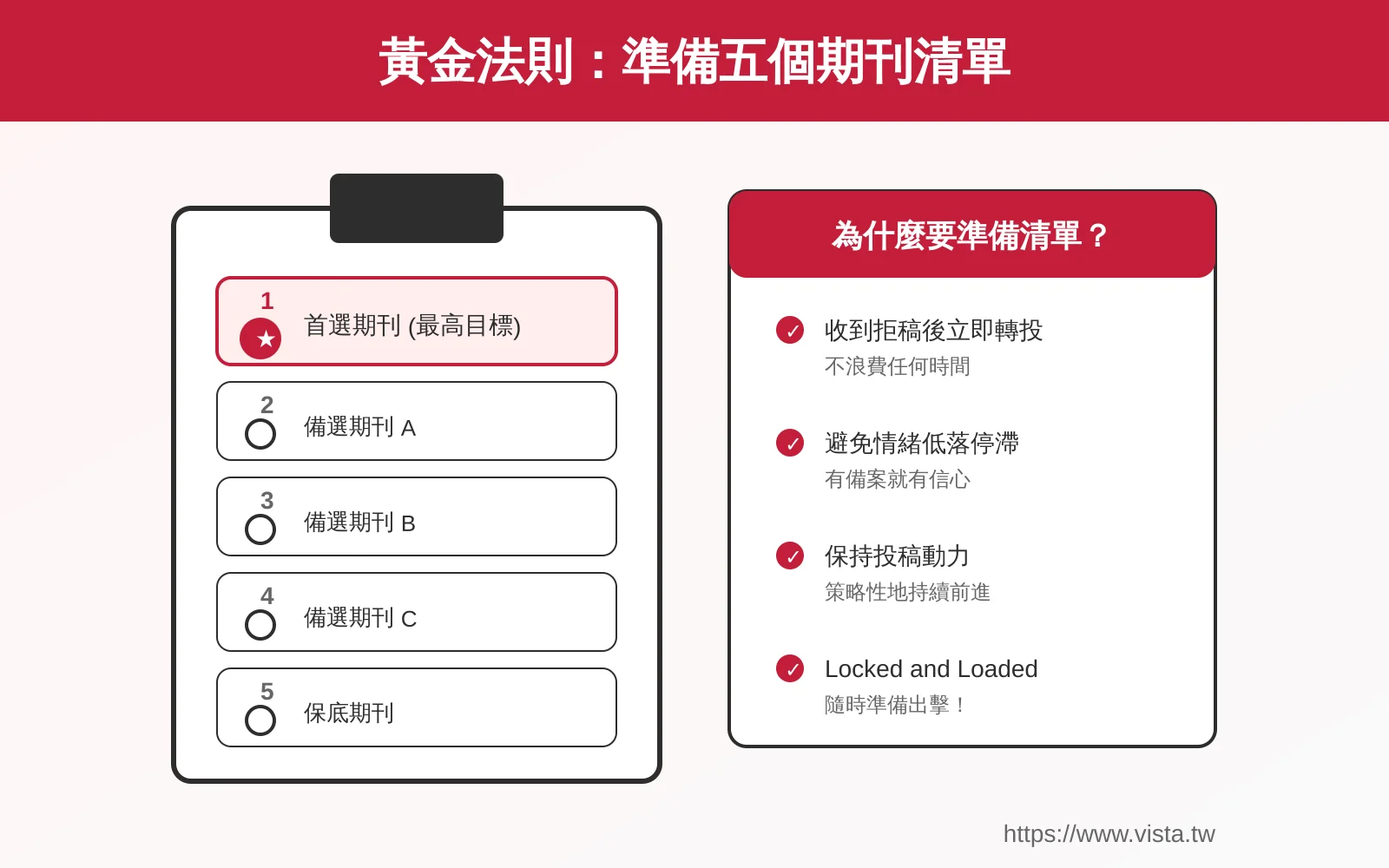
Professor Stuckler uses “locked and loaded” to describe this state of readiness. I think this military metaphor is very appropriate - when a fighter plane comes, you don’t have time to temporarily reload ammunition; similarly, when a rejection notice comes, you should not fall into confusion and frustration, but should implement the established plan in an orderly manner. This is similar to How to set goals? Make good use of the SMART principle is consistent with the principle - planning in advance can reduce decision fatigue.
This suggestion reminds me of the pre-plan thinking that I often emphasize in corporate training. Successful professionals are not those who never encounter setbacks, but those who are fully prepared for setbacks and able to quickly adjust and start again. The same goes for academic publishing.
Personal Reflection: Bringing Strategic Thinking into Academic Publishing
After watching this video, my biggest gain is that I realize that academic publishing is not just an administrative procedure after the research is completed, but a professional activity that requires strategic planning and systematic execution. Professor Stuckler’s sharing made me realize that the strategic thinking I accumulated in the business field—goal setting, market positioning, audience analysis, and risk management—can be completely applied to the context of academic publishing.
Professor Stuckler reminds us that while good research is important, its value cannot be fully realized if it cannot be published, seen or discussed. Therefore, strategically planning the publication path of academic papers is not a compromise on academic purity, but a necessity to maximize the impact of good research.
Suggestions for practicing group partners of PhD and master’s students
Finally, I would like to use my own understanding to compile some suggestions that can be acted upon immediately.
Before submitting your paper, please ask yourself: What significance does this paper have for my career planning? Do I need speed, milestones, or impact? The answer to this question can significantly influence your journal choice.
Next, carefully review the citations of your paper and find out which journals the papers closest to your research were published in. These journals will be your top shortlist.
Then, confirm whether these candidate journals publish the types of research methods and topics you pursue. Don’t waste your time on journals that simply won’t accept your type of paper.
Last but not least, prepare a list of five journals and arrange them in order of priority before submitting your paper. This way, when the rejection notice comes, you can act immediately instead of getting confused.
On the road to academic publishing, rejection is the norm, while acceptance is the exception. But if we can face this process with strategic thinking, every rejection is not a failure, but a necessary step towards ultimate success.
I wish all my friends who are struggling on the academic road that we can all find the destination that is most suitable for our papers.
This article is based on my experience after watching Professor Stuckler’s video “How to Match Your Paper to the Right Journal” (opens in a new tab). If you are also interested in academic publishing strategies, please follow my content. I will continue to share more academic and professional growth experiences.
Further reading
- A powerful tool for academic writing: UPDF allows me to breathe freely in the world of knowledge
- Dedicated to you who are alone in the academic wasteland: How to use GradPilot to find focus and calm
- The Spectrum of Knowledge: Navigating the Intersection of Academics, Technology and Innovation
- Associate Professor Wu Taiyi from the Institute of Communication at Yang-Ming Jiaotong University talks about communication research and academic dialogue
- Rebirth from adversity: How to strengthen your mental toughness in the AI era
Next step
Bring this topic to your team
Vista Cheng speaks and runs workshops on AI workflows, writing and content systems for companies, schools and public agencies.